
In the dynamic world of casino environments, identity signal design plays a critical role in shaping player experiences, influencing behavior, and reinforcing brand perception. Casinos are not merely venues for gambling; they are meticulously orchestrated spaces where every visual, auditory, and spatial cue communicates messages to players, both consciously and subconsciously. Identity signals are subtle yet powerful tools that inform patrons about the casino’s character, the expected behavior, and the type of experience offered. These signals encompass a wide range of elements, from color schemes and lighting to spatial layouts, staff uniforms, and digital interfaces. Collectively, they establish a coherent identity that guides user expectations and facilitates a sense of familiarity, trust, and comfort.
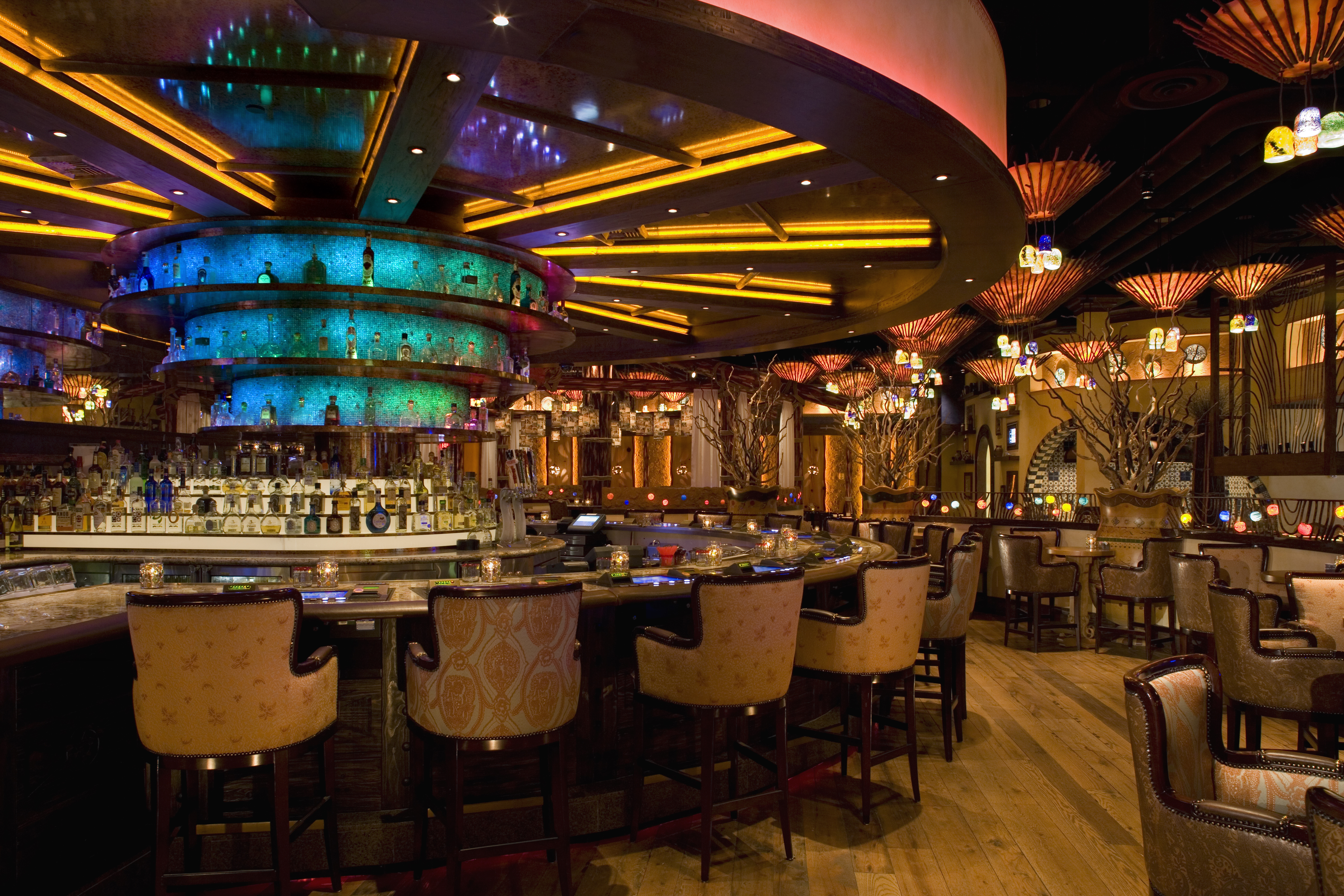
One of the primary facets of identity signal design is visual branding. Casinos utilize specific color palettes, textures, and motifs to communicate thematic elements that resonate with their target audience. For instance, high-end casinos often employ gold accents, polished surfaces, and subdued lighting to project luxury, sophistication, and exclusivity. In contrast, family-friendly or regional entertainment casinos may adopt brighter, more vibrant colors that evoke energy, excitement, and accessibility. These visual cues are not only aesthetic choices; they carry symbolic meaning that subtly informs players about the type of social environment they are entering. The choice of imagery, iconography, and even the style of digital screens contributes to a layered identity that players can quickly recognize and internalize, shaping their decisions and interactions within the space.
Lighting, often overlooked, is another critical component of identity signaling. Casinos strategically use lighting to direct attention, create focal points, and set the overall ambiance. Low, warm lighting in lounge areas communicates intimacy and relaxation, encouraging prolonged stays, whereas brighter, dynamic lighting around gaming machines or tables signals activity, excitement, and engagement. Light can also manipulate perception of space, making areas feel more expansive or cozy, influencing how players navigate the environment. Beyond aesthetics, lighting functions as a behavioral guide, subtly suggesting which areas are high priority or where action is expected, reinforcing the casino’s identity as both a playground and a carefully managed ecosystem.
Sound and auditory cues further enhance identity signaling. Background music, machine sounds, and ambient noises are deliberately chosen to match the casino’s brand personality. Upbeat, high-tempo music near slot machines can energize players and maintain a high level of activity, whereas softer, melodic tunes in VIP lounges promote relaxation and exclusivity. The sounds of coins or chips, carefully amplified, reinforce the thrill of winning, while conversational and laughter cues broadcast social validation and enjoyment. This layered soundscape not only enriches the sensory experience but also serves as a continuous reminder of the casino’s values and the emotional journey it intends to guide players through.
Spatial design and circulation patterns also communicate identity. Casinos are often designed to maximize engagement, with careful consideration of player flow, visibility, and accessibility. High-value games may be placed in prominent, easily visible areas to signal prestige, while casual games occupy more accessible, open spaces, signaling inclusivity and approachability. The physical arrangement of gaming tables, slot machines, lounges, and dining areas creates natural pathways that guide behavior and encourage exploration. Spatial cues also help to delineate different experiences within a single property, reinforcing identity at multiple levels: the brand identity of the casino as a whole, the social identity of player groups, and the individual’s personal experience within the environment.
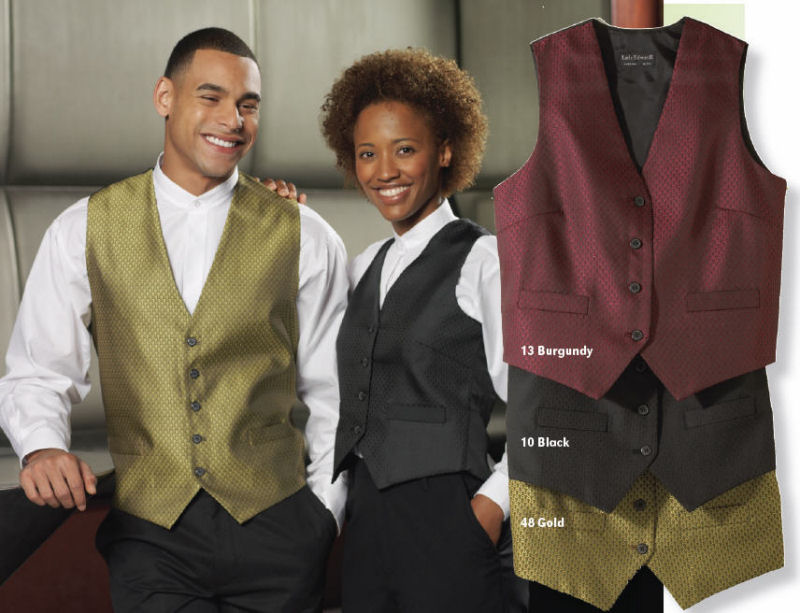
Staff uniforms and service interactions constitute another critical layer of identity signaling. Uniforms that are carefully designed to reflect the casino’s theme, formality level, and branding contribute to a cohesive visual narrative. Beyond appearance, staff behavior, communication style, and responsiveness signal expected social norms, reinforcing the identity of the space. For example, a casino emphasizing exclusivity may employ highly trained, discreet staff who operate with precision and minimal intrusion, while a casual entertainment-focused venue may encourage approachable, expressive staff interactions. These signals help shape the social climate, ensuring that player expectations align with the intended brand identity and that the environment supports both comfort and engagement.
Digital interfaces, loyalty programs, and communication channels within the casino also act as identity signals. From touchscreens at tables to mobile apps for personalized offers, these systems communicate the casino’s values, level of sophistication, and attention to player experience. A sleek, intuitive interface suggests modernity and efficiency, while gamified loyalty systems signal entertainment and reward-focused engagement. Notifications, alerts, and digital signage act as ongoing reinforcement of the casino’s identity, reminding players of privileges, status, and expectations without the need for direct interaction. These signals integrate physical and digital layers of the environment, ensuring that identity is consistently conveyed across touchpoints.
Security and procedural signals, while functional, also contribute to identity perception. Visible security measures, structured queue systems, and clear signage convey professionalism, safety, and fairness. They reassure players that the casino operates with integrity and that their experience is protected, enhancing trust. These cues intersect with the emotional and cognitive perception of the casino’s brand, influencing how identity is internalized and acted upon. A well-designed identity signaling strategy ensures that these elements are unobtrusive yet effective, balancing operational needs with brand reinforcement.
Ultimately, identity signal design in casino environments is about creating coherence across multiple sensory and cognitive layers. It merges aesthetics, psychology, and operational design to craft a holistic experience that communicates what the casino stands for, what players can expect, and how they should engage. Successful implementation of identity signals enhances player satisfaction, loyalty, and engagement by fostering a sense of clarity, familiarity, and emotional resonance. Whether through visual motifs, lighting, sound, spatial arrangements, staff presentation, digital interfaces, or operational transparency, each signal contributes to a unified narrative that aligns perception with experience. As casinos continue to evolve, particularly in the integration of digital and physical experiences, the strategic deployment of identity signals remains central to sustaining competitive differentiation, emotional connection, and long-term success in the highly experiential world of gaming and entertainment.



Leave a Reply