Brand language governance in casino products is an essential aspect of creating a coherent and recognizable identity across a diverse set of platforms and experiences. The language used in marketing materials, user interfaces, and customer communications serves as more than just a tool for conveying information; it acts as a vehicle for brand perception, trust, and user engagement. Casinos operate in highly competitive and regulated environments where consistency in messaging can influence player loyalty and regulatory compliance. Establishing clear rules for brand language ensures that every touchpoint—whether a website, mobile app, promotional campaign, or customer service interaction—reflects the brand’s values, tone, and personality accurately.
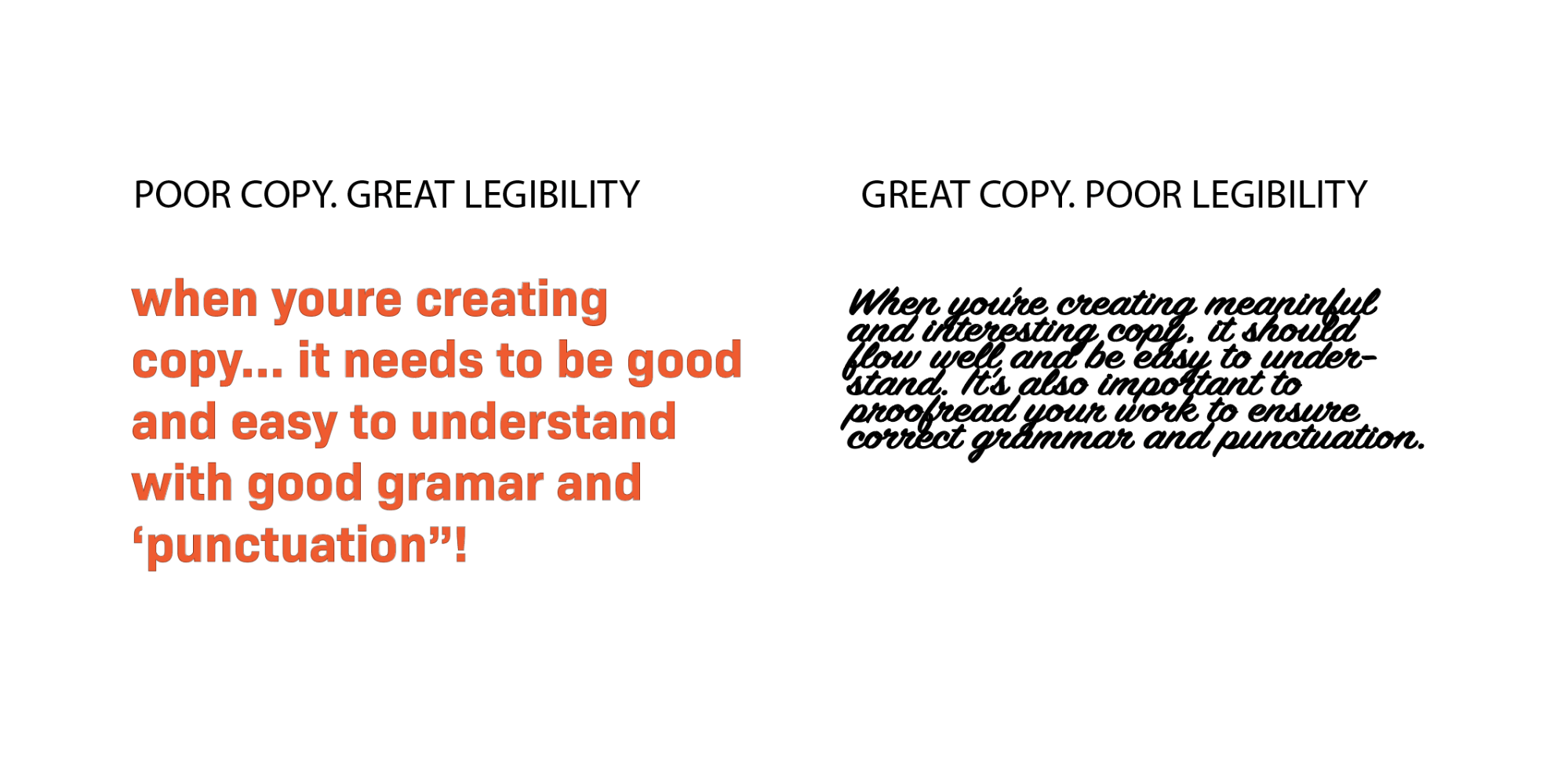
The foundation of brand language governance starts with the creation of comprehensive guidelines that define voice, tone, terminology, and phrasing. Voice represents the overarching personality of the brand, conveying traits such as sophistication, excitement, trustworthiness, or approachability. Tone, in contrast, adapts to the context of communication. For instance, a notification about a jackpot win might be celebratory and energetic, while responsible gaming reminders require a calm and empathetic tone. Without explicit governance, discrepancies can emerge between different teams or regions, leading to fragmented experiences that dilute the brand’s identity.
Terminology management is a critical component of governance. Casinos often employ specialized language, including gaming terminology, promotions, and bonus mechanics. Inconsistent usage of terms such as “free spins,” “progressive jackpot,” or “bonus round” can confuse players and erode trust. A brand language guide establishes preferred terms, prohibited alternatives, and instructions on how to handle abbreviations, jargon, or slang. Additionally, localization guidelines ensure that translations maintain both linguistic accuracy and brand personality, preserving consistency across international markets while respecting cultural nuances.
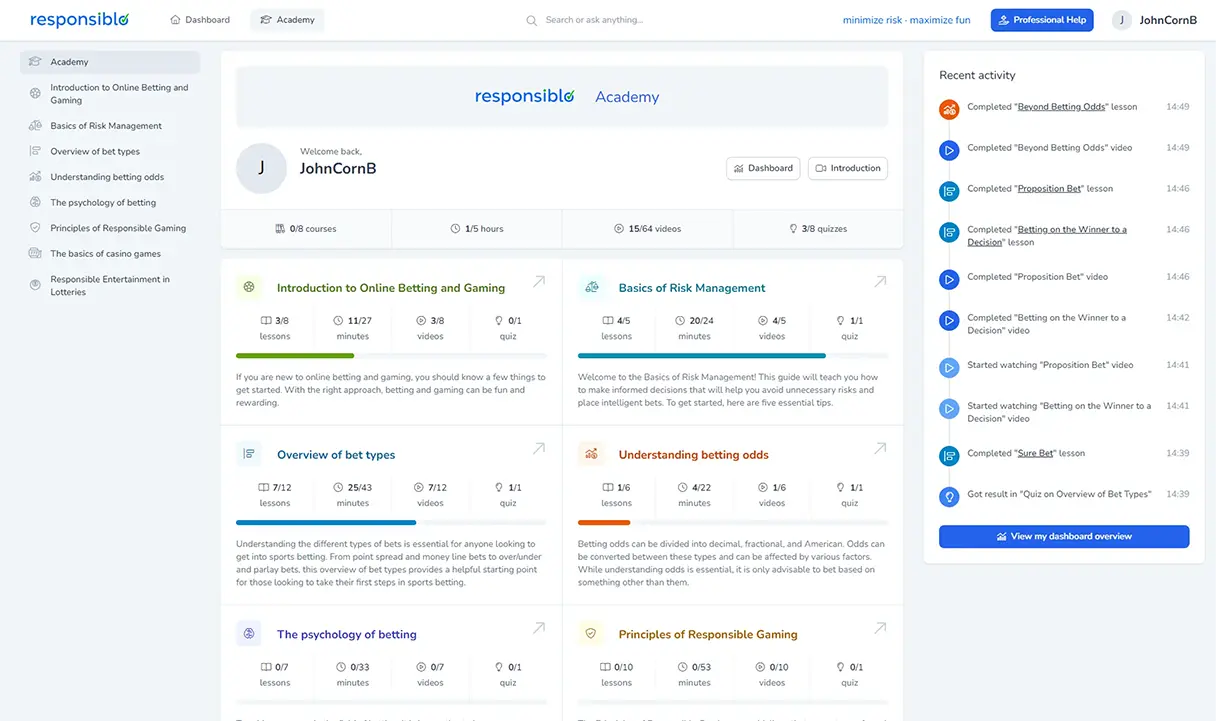
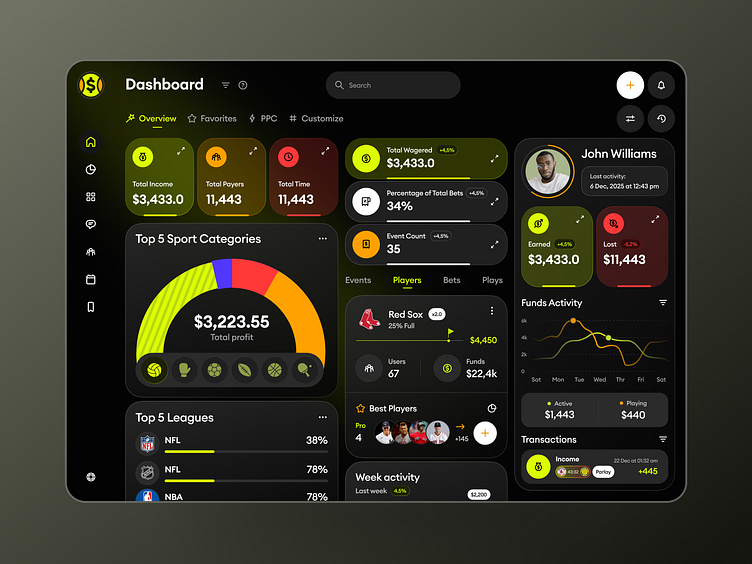
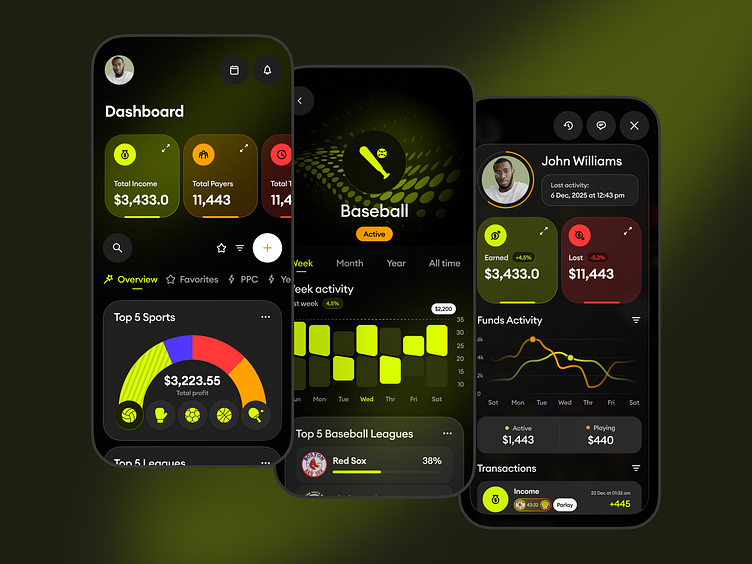
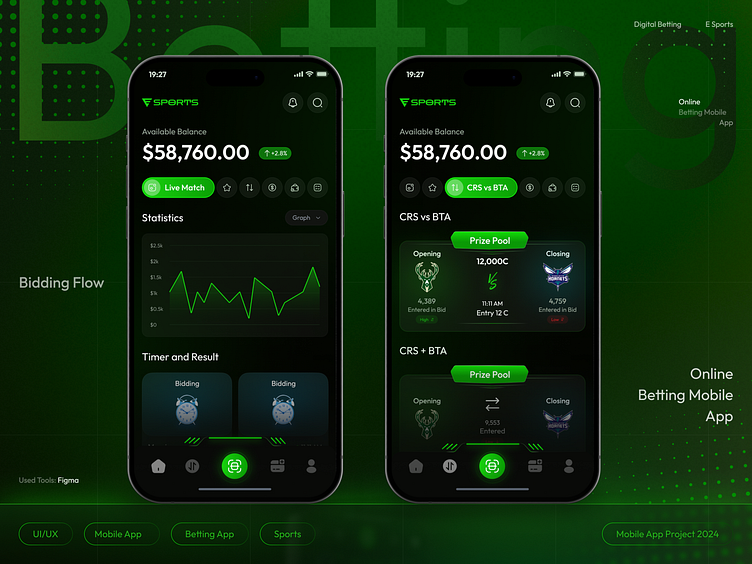
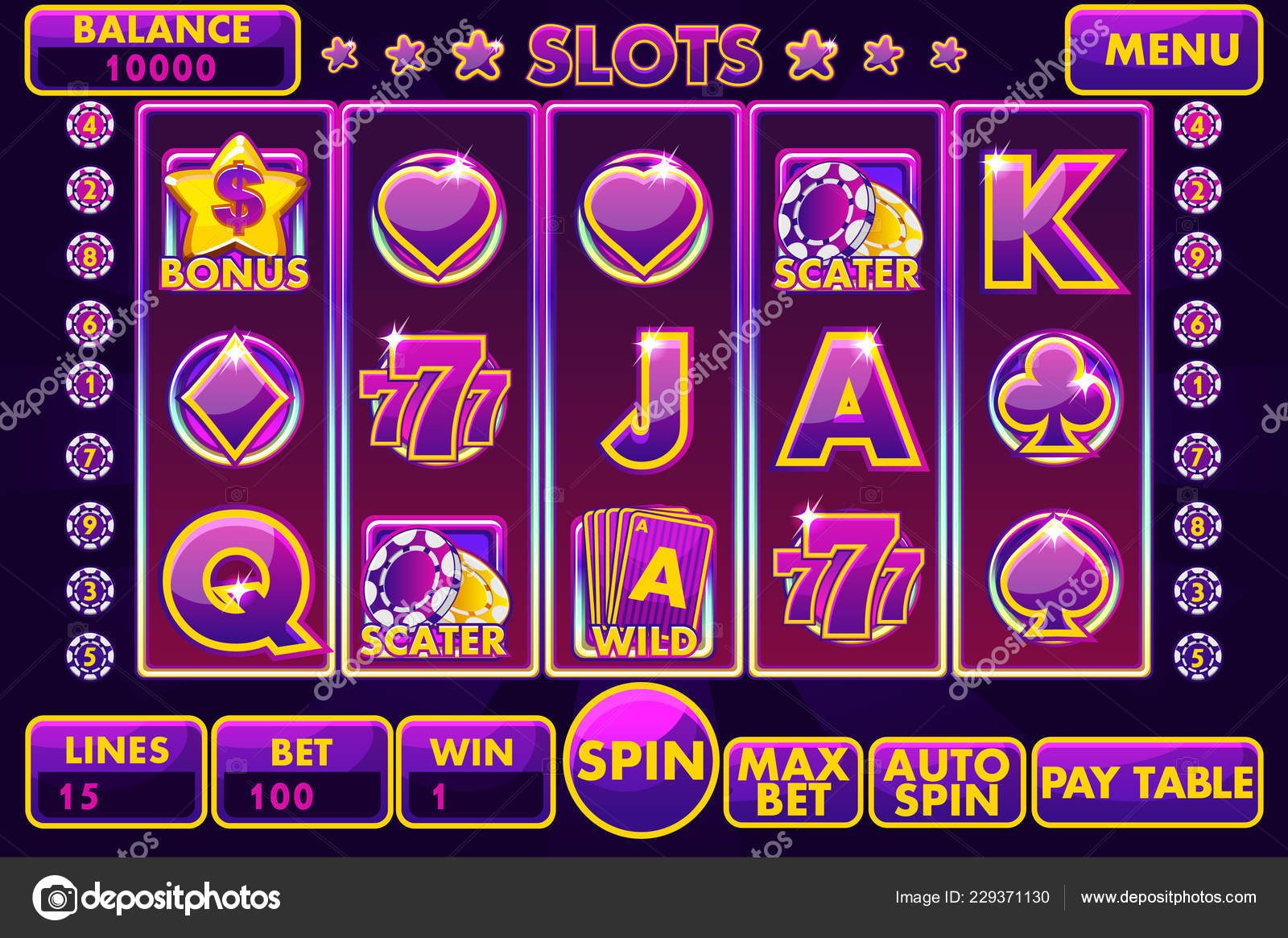
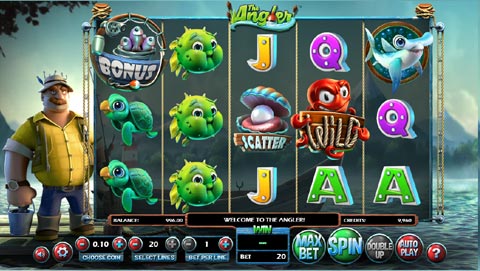
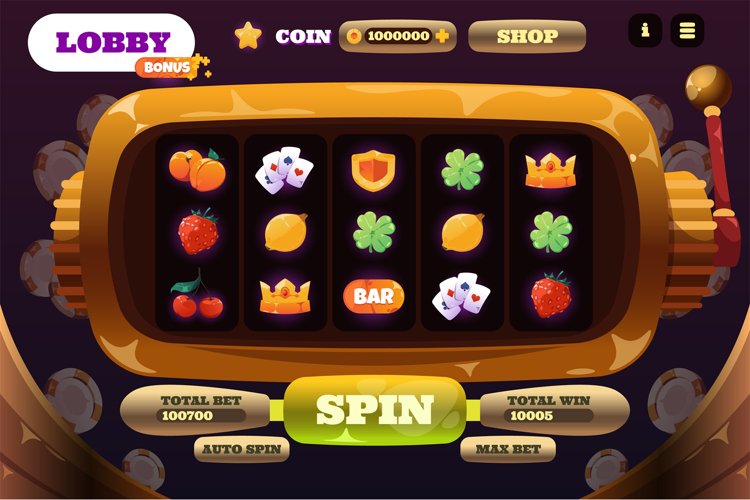
Digital interfaces are particularly sensitive to brand language governance because users interact with them directly and continuously. Buttons, menus, tooltips, and error messages must communicate clearly, guiding users through complex game flows without frustration. Misaligned language in an interface can impair usability, reduce engagement, and increase support costs. For example, inconsistent labeling of a withdrawal process could lead to player confusion, complaints, or even compliance issues. By enforcing language standards, casinos ensure that digital experiences are intuitive, coherent, and aligned with broader marketing narratives.
Marketing communications, including email campaigns, push notifications, social media posts, and advertising, are also heavily influenced by brand language governance. Campaigns must balance promotional enthusiasm with regulatory compliance, particularly in jurisdictions with strict advertising rules. Language governance defines permissible phrasing, capitalization, punctuation, and style for calls to action, ensuring campaigns are both compelling and legally sound. It also fosters cross-team alignment; marketing, customer support, and product teams can leverage the same language frameworks to deliver consistent messaging, enhancing brand recognition and credibility.
Another dimension of brand language governance involves training and auditing. Employees who create content, from copywriters to designers to support agents, must understand the rules and rationale behind language guidelines. Workshops, playbooks, and style guides provide practical instruction and real-world examples, demonstrating how to translate brand personality into effective communication. Regular audits of communications and interfaces help identify deviations from the guidelines, allowing for corrective action and continuous improvement. Governance is not static; it evolves alongside changes in brand strategy, market trends, regulatory environments, and user expectations.
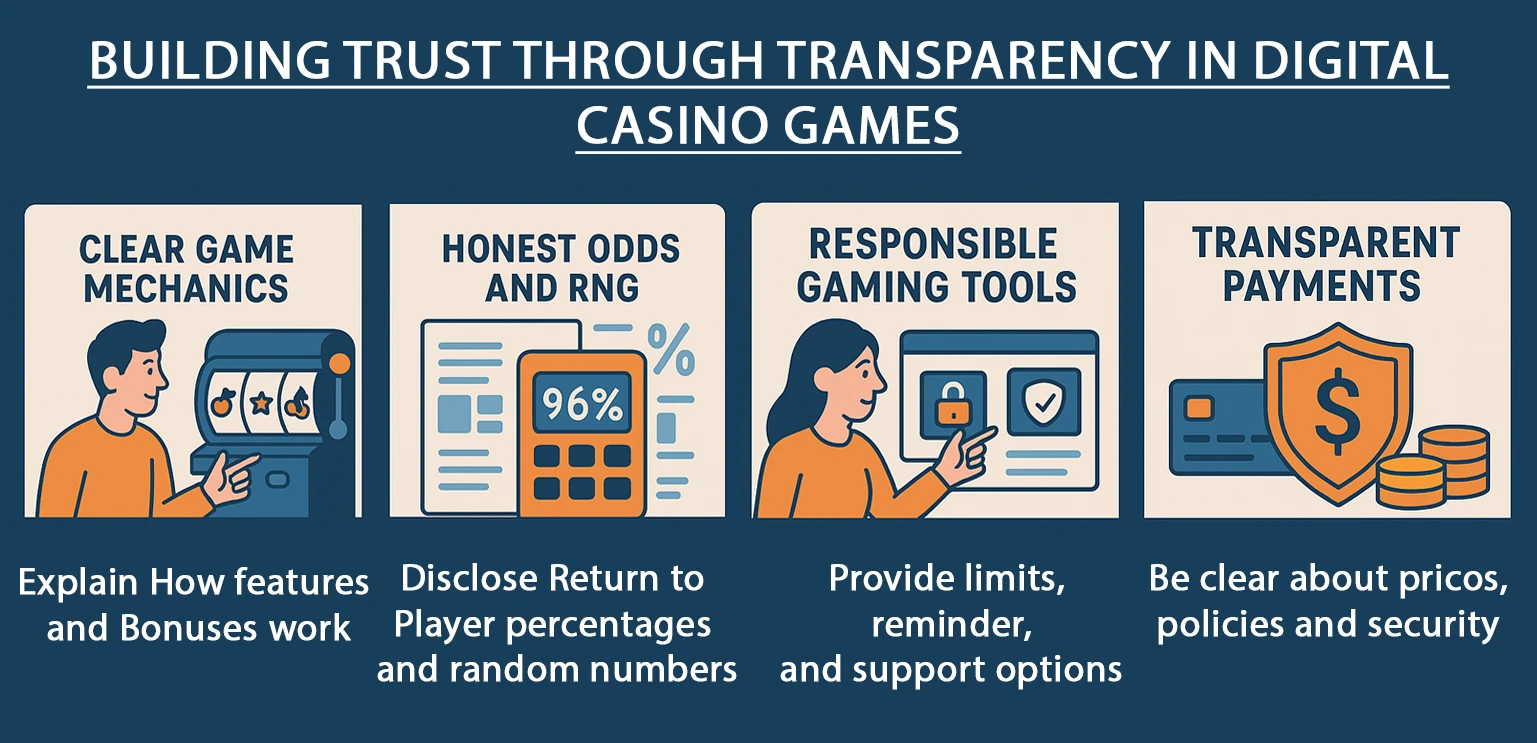
The impact of strong language governance extends beyond aesthetic consistency. It reinforces trust and reliability, both of which are critical in gambling environments where players are often cautious about fairness and security. Clear, consistent, and engaging language reduces cognitive load, enabling players to focus on gameplay rather than deciphering instructions or promotions. It also supports responsible gaming initiatives by ensuring that messages around limits, warnings, and self-exclusion are always presented clearly and empathetically, regardless of context or medium.
Integration of technology further strengthens governance practices. Centralized content management systems, automated style checks, and AI-powered writing assistants can enforce adherence to brand language rules at scale. These tools allow teams to detect inconsistencies, suggest alternatives, and ensure that messaging aligns with approved voice and tone parameters. By embedding governance into workflow processes, casinos minimize human error, maintain regulatory compliance, and preserve brand integrity across multiple touchpoints.
In addition, brand language governance plays a strategic role in competitive differentiation. Casinos are not only selling games but also experiences, emotions, and trust. A distinct and consistent language conveys professionalism, creativity, and authenticity, helping a brand stand out in saturated markets. Players are more likely to remember and return to platforms where communication feels coherent and personalized, creating long-term loyalty. Moreover, consistent messaging enables analytics teams to better interpret user responses to campaigns and interface changes, providing actionable insights that further refine both product design and marketing strategies.
Finally, governance must consider cultural and demographic factors. Casino audiences are diverse, spanning different regions, languages, and age groups. Tailoring brand language to resonate with these audiences, without compromising consistency, requires careful segmentation and nuanced rules. Gender-neutral phrasing, culturally sensitive idioms, and age-appropriate messaging all fall under the scope of effective governance, ensuring inclusivity while maintaining the integrity of the brand’s voice.
Ultimately, brand language governance in casino products is a multidimensional effort that combines clarity, creativity, compliance, and strategy. It ensures that every piece of communication, from the smallest tooltip to the largest marketing campaign, contributes to a cohesive and trusted player experience. By codifying voice, tone, terminology, and localization rules, training teams, auditing outputs, leveraging technology, and adapting to cultural nuances, casinos can create meaningful, memorable, and legally compliant interactions that strengthen brand equity, foster player trust, and drive sustained engagement. Strong governance turns language into a strategic asset, transforming every word into an opportunity to reinforce brand identity and deliver a seamless, confident experience across the entire casino ecosystem.