
In the landscape of online betting, user experience (UX) has become increasingly pivotal, with skill reinforcement pathways emerging as a key factor in fostering engagement and player retention. These pathways are designed to create a structured environment where users can develop, test, and refine their abilities while navigating betting platforms. The implementation of skill reinforcement pathways relies on understanding how players interact with digital systems and how they internalize learning through repeated exposure and feedback mechanisms.
Skill reinforcement pathways operate on the principle that repeated, meaningful practice strengthens user confidence and competence. In betting UX, this often translates to providing clear, consistent feedback on user actions, whether through visual cues, notifications, or performance metrics. By highlighting patterns of success and areas for improvement, platforms guide users toward mastering both the rules of the games and strategic approaches to betting. The more effectively a system can provide this feedback, the more it encourages skill acquisition and repeated engagement.
Central to these pathways is the balance between challenge and achievability. A well-designed system introduces complexity gradually, allowing users to experience mastery without feeling overwhelmed. This approach is akin to scaffolding in educational theory, where foundational skills are reinforced before introducing more complex tasks. In betting platforms, this may manifest as beginner tutorials, tiered betting options, or progressively sophisticated analytics tools that help users understand odds and outcomes more deeply. By managing the cognitive load, platforms ensure that skill development is rewarding rather than frustrating.
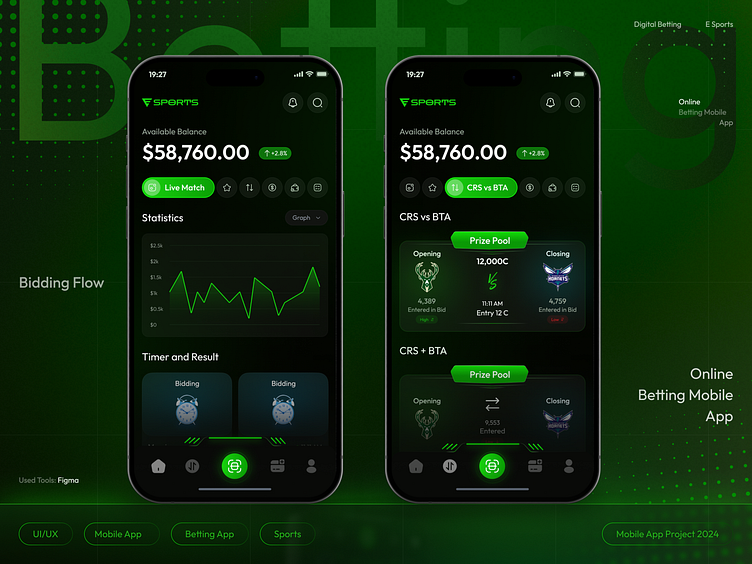
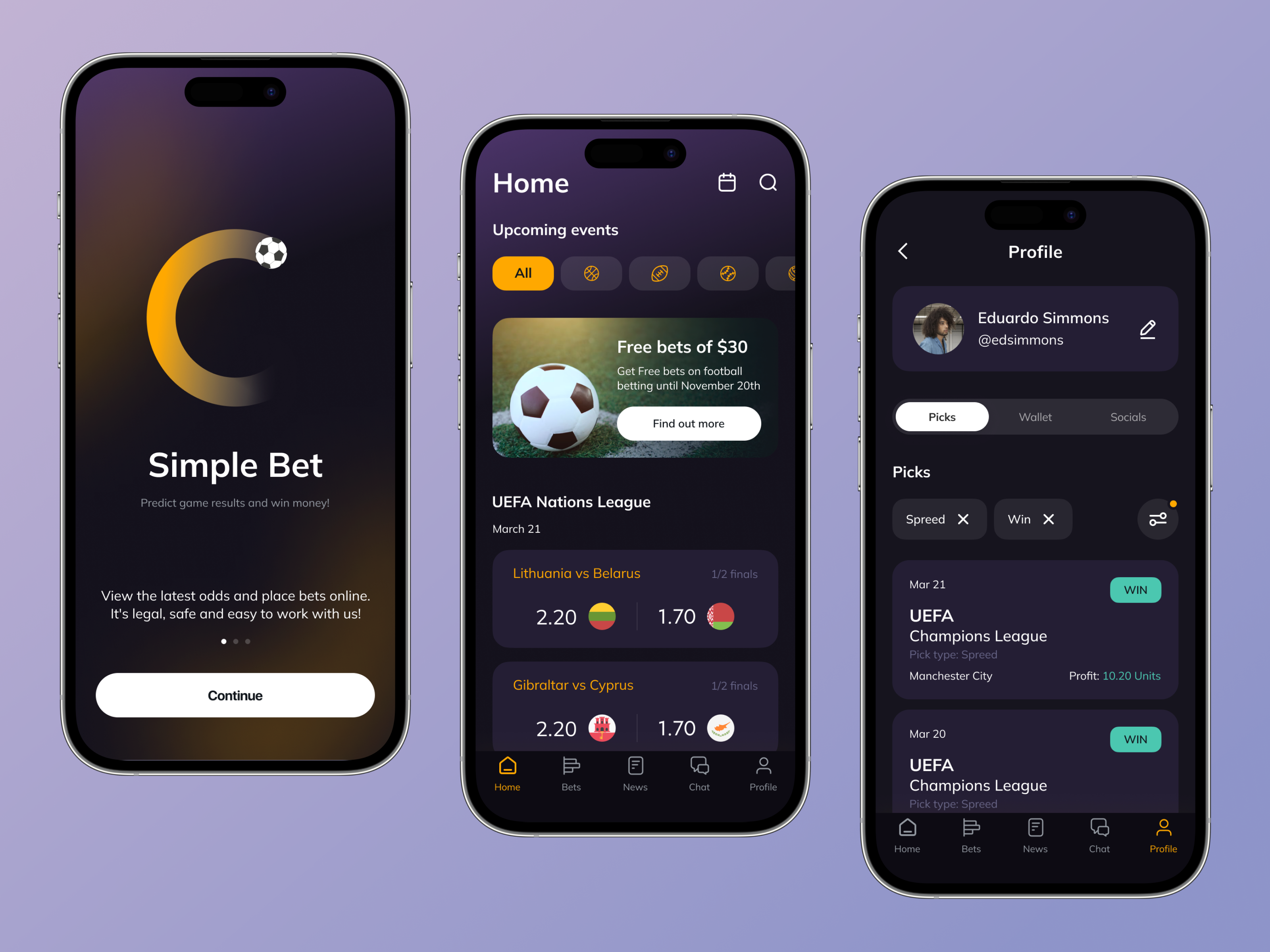
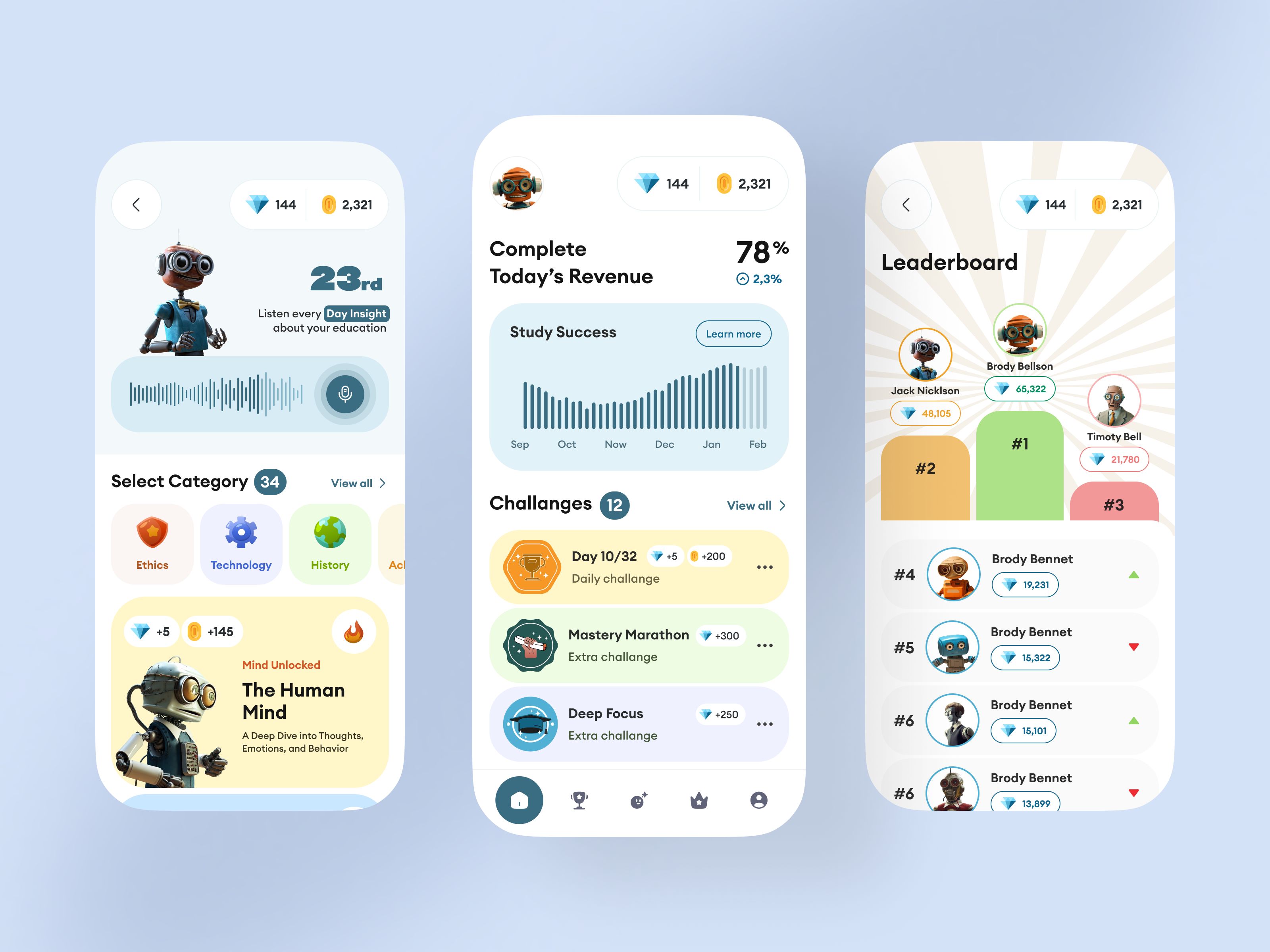
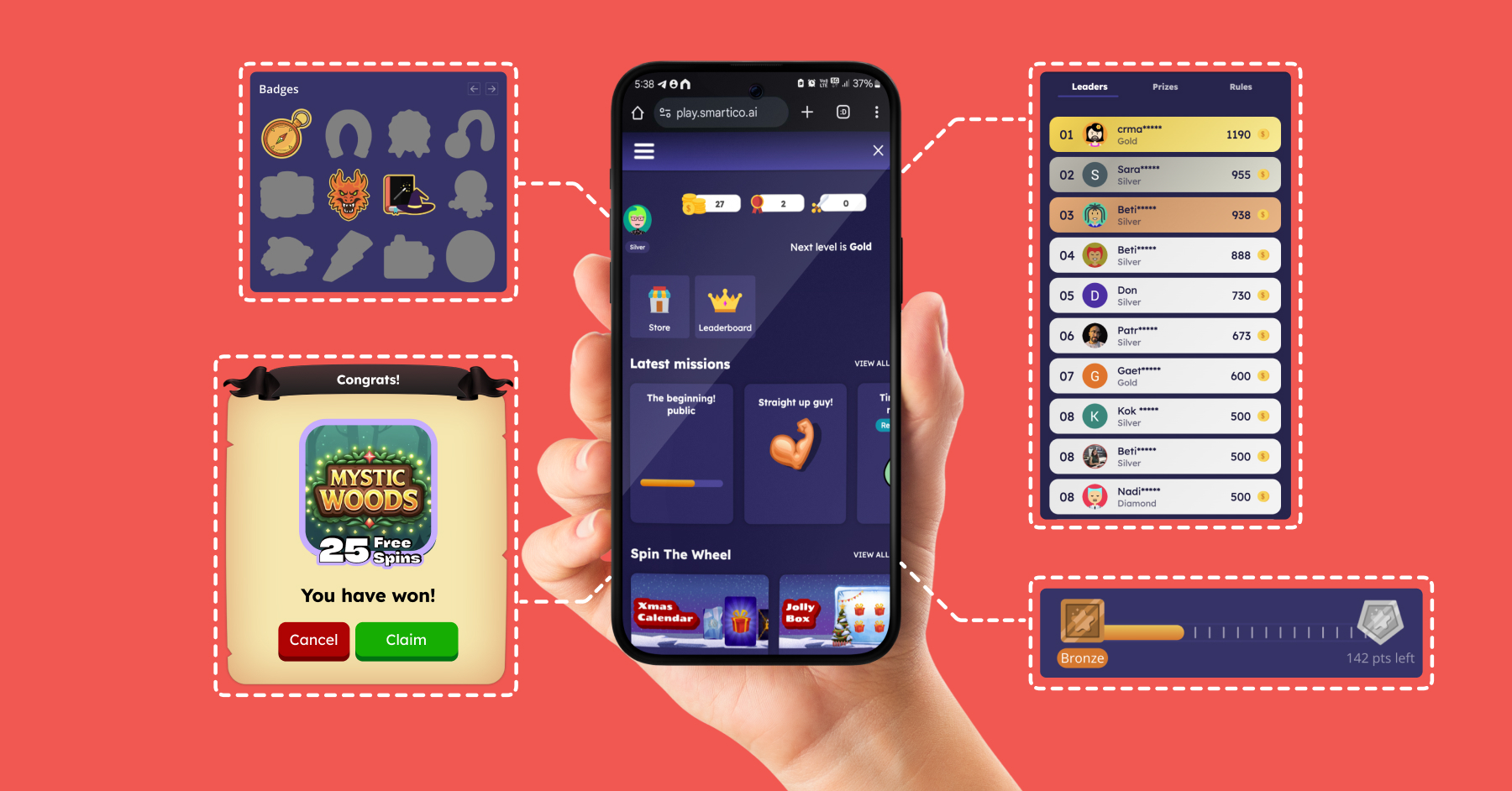
Another critical component of skill reinforcement pathways is the use of gamified elements to sustain motivation. Elements such as achievement badges, progress trackers, and leaderboards provide tangible markers of user growth. These markers serve not only as extrinsic motivators but also as internal benchmarks that help players recognize their own development over time. For instance, a player who consistently makes informed wagers may see an increase in a confidence score or unlock access to more advanced tools, which reinforces the perception of growth and skill mastery.
Data-driven personalization enhances the effectiveness of skill reinforcement pathways. By analyzing individual betting behaviors, platforms can tailor the learning experience to each user’s strengths and weaknesses. Adaptive systems might suggest targeted tutorials, highlight opportunities to explore different types of bets, or provide scenario-based simulations that mirror real-world conditions. This customization ensures that users are consistently challenged at an appropriate level, preventing stagnation while avoiding frustration that could arise from mismatched difficulty levels.
Feedback loops are integral to reinforcing skill acquisition. Immediate feedback helps users understand the consequences of their actions, while reflective feedback encourages analysis of long-term patterns. For instance, showing users how a series of bets performed relative to probability models enables them to identify both strategic successes and recurring errors. These loops promote a sense of control and agency, fostering the belief that outcomes are influenced by skill rather than pure chance. The perception of agency is critical in maintaining engagement, as users are more likely to invest time and effort when they feel their decisions matter.
Skill reinforcement pathways also benefit from social dimensions. Community features, such as discussion forums, strategy sharing, and peer comparison, allow users to observe and emulate effective behaviors. Social reinforcement not only validates user effort but also introduces new strategies and perspectives, broadening the scope of learning. Leaderboards and community challenges can be particularly effective, as they merge competition with skill development, providing both motivation and educational value.
Behavioral nudges are another tool within these pathways. Subtle prompts can guide users toward skill-building activities without interrupting the natural flow of their engagement. For instance, suggesting practice bets or highlighting underexplored game types can expose users to new learning opportunities. These nudges must be carefully calibrated; overly intrusive prompts can be perceived as manipulative, while well-timed suggestions can seamlessly integrate into the user journey, supporting skill acquisition organically.
Metrics play a vital role in evaluating the effectiveness of skill reinforcement pathways. Platforms can track indicators such as betting accuracy, decision speed, pattern recognition, and engagement frequency to measure skill development. These metrics provide insights not only into individual progress but also into the broader design of the system. Continuous analysis allows UX designers to refine pathways, ensuring that challenges remain aligned with user capabilities and that feedback mechanisms effectively support learning objectives.
The ethical dimension of skill reinforcement cannot be overlooked. Designers must strike a balance between encouraging skill development and preventing exploitative practices that exploit user behavior. Transparent communication about probabilities, risks, and the role of chance ensures that users can make informed decisions. Responsible design incorporates features that promote healthy engagement, such as limits on betting exposure, reminders about time spent, and educational resources that enhance financial literacy.
Ultimately, skill reinforcement pathways in betting UX are about creating an ecosystem where users feel empowered, informed, and motivated to grow. They leverage feedback, gamification, personalization, social interaction, and behavioral design to nurture competence and confidence. By structuring experiences that reward learning and strategic thinking, platforms transform passive engagement into an active process of skill development. Users become not only participants but also learners, refining their abilities while enjoying the dynamics of betting. In this way, skill reinforcement pathways serve as a bridge between entertainment and mastery, enhancing user satisfaction, retention, and long-term platform loyalty.




Leave a Reply