
In the evolving landscape of online gambling, one of the most compelling drivers of user engagement and satisfaction is the ability to tailor experiences to individual preferences. Advanced preference customization for bettors encompasses a spectrum of features, from interface personalization and gameplay adjustments to bet structuring and notification settings. By offering these controls, platforms not only enhance the user experience but also foster deeper trust, higher retention rates, and a sense of empowerment that differentiates casual participants from committed users.
At the core of preference customization lies the principle of autonomy. Bettors, like any consumers, seek a sense of control over their environment. In betting contexts, this can translate into the ability to select preferred sports or events, choose betting formats, or even dictate the frequency and type of alerts received. Allowing users to configure these aspects reduces cognitive friction, ensuring that each interaction feels relevant and intentional rather than overwhelming or random. When users perceive that the platform respects their choices, engagement naturally deepens.
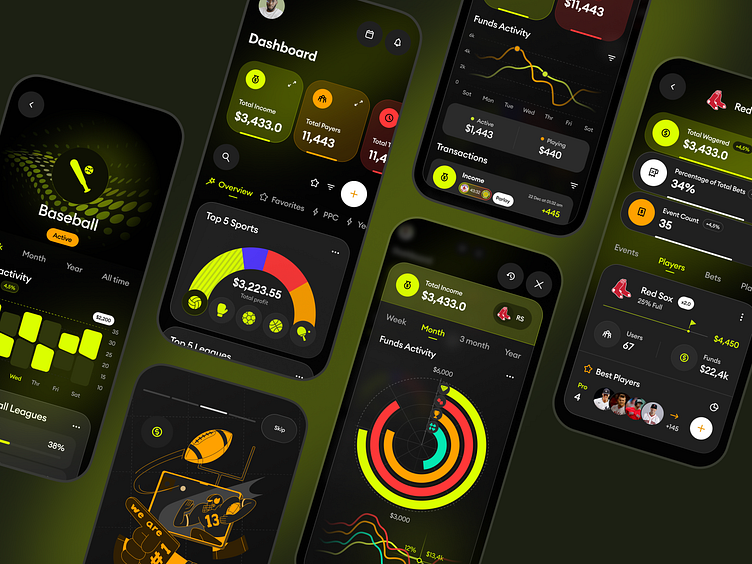
Interface personalization is a foundational layer of preference customization. This includes elements such as theme selection, layout adjustments, and dashboard configuration. Bettors may prefer compact interfaces for rapid decision-making, or immersive, visually rich layouts for deeper engagement with content. The ability to rearrange widgets, highlight favored markets, or save preferred views ensures that every session aligns with the user’s cognitive style and habitual behavior. Platforms that integrate adaptive layouts—where the system observes and anticipates patterns in user activity—further elevate personalization by proactively presenting relevant options without requiring constant manual adjustment.
Gameplay adjustments extend the customization paradigm into the core mechanics of betting itself. Users can define risk tolerance parameters, set default stake levels, or prioritize certain bet types over others. This allows for tailored exposure management, helping bettors engage within their comfort zone while still exploring new opportunities. Some platforms also offer scenario-based simulations, where users can experiment with different betting strategies under controlled conditions, reinforcing confidence and skill acquisition. By empowering users to calibrate gameplay dynamics, platforms reduce anxiety, enhance satisfaction, and support more consistent engagement.
Notification and communication preferences form another critical dimension. Betting platforms operate in a dynamic environment, with odds fluctuating rapidly and promotions or events arriving unpredictably. Advanced customization allows users to filter notifications by event, market, or threshold criteria. For instance, a bettor might opt to receive alerts only when a favored team’s odds shift beyond a certain point or when high-value promotions align with their past activity. This precision reduces noise, ensures timely relevance, and reinforces the perception that the platform is responsive to individual needs.
Beyond functional adjustments, advanced customization also plays a psychological role. Personalized experiences signal recognition and value, reinforcing user identity within the platform ecosystem. When a bettor sees that their history, preferences, and patterns inform interface presentation or recommended options, it triggers a sense of validation. This, in turn, cultivates loyalty, as users are more likely to return to environments where they feel understood and catered to. In competitive markets, this subtle differentiation can be pivotal, shaping long-term retention and lifetime value.
Data analytics underpin these customization capabilities, enabling platforms to balance user control with intelligent recommendations. By tracking interactions, platform algorithms can identify patterns and offer suggestions that align with stated preferences while gently nudging exploration. For example, if a user consistently engages with mid-stake football bets, the system might highlight similar opportunities in other leagues or formats. This ensures a curated experience that feels personally guided rather than randomly presented, maintaining engagement while subtly expanding behavioral horizons.
Security and privacy considerations are integral to preference systems, particularly as they often rely on detailed behavioral data. Transparent communication regarding data collection, storage, and usage not only meets regulatory requirements but also strengthens user trust. Options to manage data visibility, opt-out of certain tracking, or selectively anonymize activity empower users further, aligning platform transparency with the personalization experience. Trust in this domain is paramount; without it, even the most sophisticated customization features may be perceived as intrusive rather than enabling.
Cross-device consistency represents another facet of advanced customization. Bettors frequently interact with platforms across multiple devices, from desktop interfaces at home to mobile apps on the go. Maintaining preference continuity across these touchpoints is essential to prevent friction. Cloud-based profiles that synchronize settings, layouts, and alert configurations ensure that each session feels familiar and seamless, reinforcing the sense of control and mastery. This not only enhances satisfaction but also reduces barriers to engagement, particularly for high-frequency or professional bettors.
Additionally, advanced preference systems can integrate social and community-oriented features. Bettors may choose to follow other users, subscribe to curated content streams, or participate in group challenges. Customization here allows individuals to regulate the degree of social exposure and interaction, maintaining comfort while tapping into community dynamics. Social filters, privacy controls, and selective visibility empower users to craft their social experience in alignment with personal preferences, amplifying engagement without creating overwhelm.
Feedback mechanisms form a final critical element. Platforms that solicit and incorporate user input regarding customization features demonstrate responsiveness and adaptability. Iterative refinements, driven by both behavioral data and explicit feedback, ensure that personalization evolves in step with user expectations. This continuous loop of adaptation not only optimizes the experience but also signals that the platform values the user as an active participant in its design, further enhancing loyalty.
In conclusion, advanced preference customization for bettors represents a holistic approach to user-centric design in online gambling. By addressing autonomy, interface personalization, gameplay adjustments, communication control, and psychological reinforcement, platforms create environments that feel both tailored and intuitive. Integrating robust analytics, cross-device consistency, privacy safeguards, social features, and feedback mechanisms ensures that customization is not superficial but deeply integrated into the user experience. This combination of technical sophistication and human-centered design ultimately strengthens engagement, fosters trust, and positions platforms to thrive in an increasingly competitive digital betting landscape.


Leave a Reply