
In the complex landscape of online gambling, the concept of trust extends far beyond the reliability of a platform’s software or the fairness of its algorithms. It encompasses a network of community assurance dynamics, where players collectively shape perceptions of integrity, credibility, and accountability. These dynamics serve as both an informal governance mechanism and a vital psychological anchor for users navigating high-stakes environments. Trust in this context is not a static attribute but an ongoing negotiation influenced by transparency, social validation, and the observable behavior of peers and platform representatives.
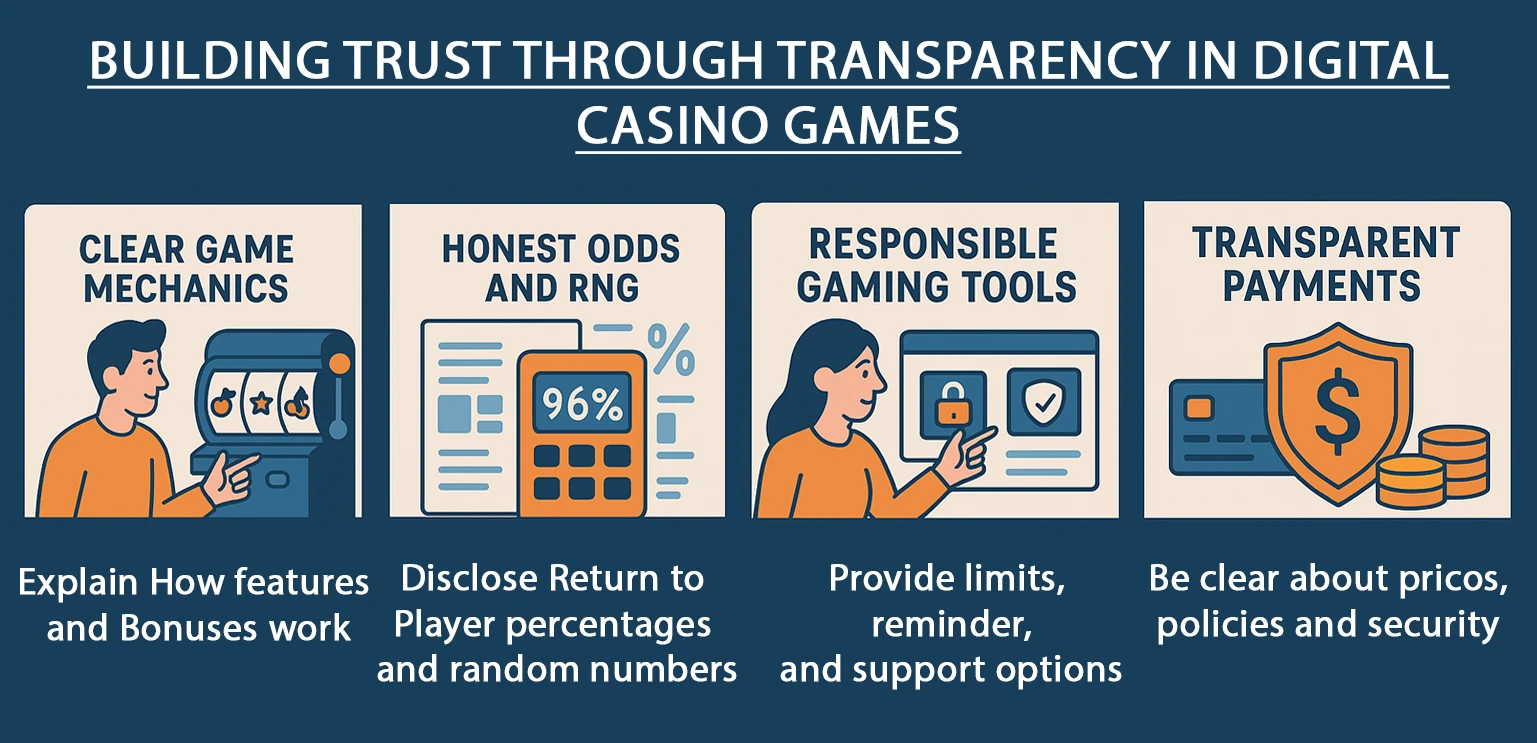
One of the primary factors that underpins community assurance is the transparency of operations. Players are acutely aware of the inherent risk in gambling, and the availability of clear, verifiable information about payout ratios, game fairness, and account management practices can significantly reduce perceived uncertainty. Transparency initiatives, such as publishing independent audit results or providing real-time odds explanations, act as signals that the platform values honesty and fairness. When community members can witness the operational integrity of a platform, their confidence grows, and their willingness to engage in repeated play increases. This is not merely a technical issue; it is deeply social, as the sharing and discussion of such information among users amplify its credibility.
The role of social proof cannot be overstated in fostering trust. Players often rely on peer experiences to gauge the legitimacy of a gambling platform. Online forums, chat groups, and social media communities serve as arenas where experiences are exchanged, successes and failures are discussed, and reputations are collectively assessed. Positive reinforcement from other users—such as reports of timely payouts, responsive support, and enjoyable gameplay—can enhance trust more effectively than any official statement from the platform itself. Conversely, negative experiences disseminated within the community can quickly erode confidence, demonstrating the dual-edged nature of social validation. The community functions as a living audit system, where collective observation and commentary act as informal checks on platform behavior.
Another critical dimension is the responsiveness of platform operators to community concerns. Trust is reinforced when operators actively listen to user feedback, address complaints promptly, and adapt policies in ways that reflect community values. Mechanisms such as public incident reports, transparent complaint resolution processes, and visible adjustments to game or policy design foster a sense of co-ownership. When players feel that their voices influence the operational environment, trust becomes participatory rather than merely transactional. This active engagement strengthens the perception that the platform is accountable not only to regulatory authorities but also to the user base itself.
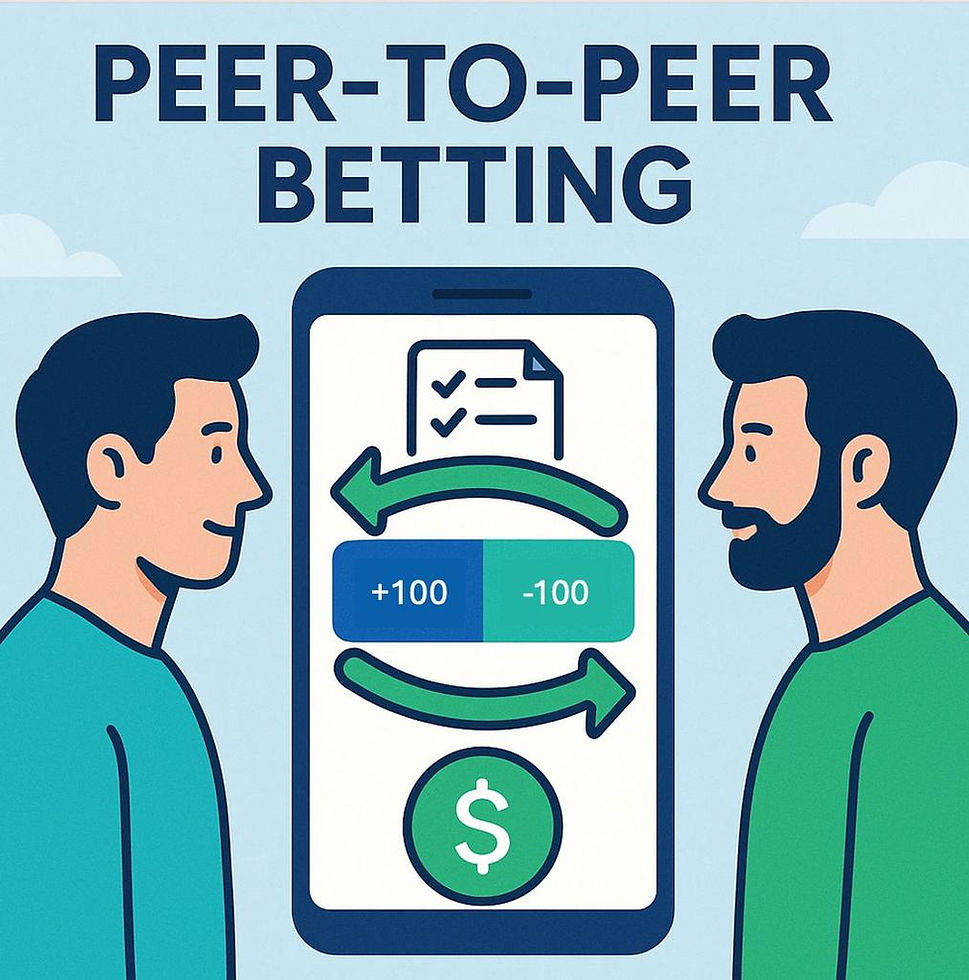
Peer accountability mechanisms further enhance community assurance. Many gambling environments integrate systems for rating, reviewing, or otherwise publicly recognizing player behavior. For instance, in peer-to-peer betting or competitive environments, reputation scores can indicate reliability, sportsmanship, and adherence to rules. These mechanisms reduce uncertainty about interactions with others and reinforce norms that discourage unethical behavior. Community-enforced accountability creates an ecosystem in which trustworthiness is continuously validated and misconduct is promptly flagged, thereby reinforcing collective confidence in both the platform and fellow participants.
Psychological factors also play a central role in community trust dynamics. The perception of fairness, equity, and inclusivity impacts emotional security and behavioral intentions. When users believe that their efforts are recognized and that outcomes are not arbitrarily biased, they are more likely to remain engaged and invest further resources. Rituals of fairness, such as transparent random number generation displays or equitable tournament scoring, serve as tangible affirmations of these principles. Beyond structural assurances, the emotional reassurance gained from participating in a community where ethical conduct is normalized cultivates resilience against skepticism and doubt.
Technology-enabled verification tools complement these human-driven dynamics. Blockchain-based ledgers, smart contracts, and provably fair algorithms provide technical guarantees that can be independently audited by the community. When players can verify transactions or game outcomes without relying solely on platform assurances, trust shifts from abstract belief to observable fact. The interplay between technological verification and community observation creates a layered system of confidence, where both social and technical cues reinforce one another. Users perceive the environment as both accountable and transparent, enhancing the robustness of trust.
Education and information sharing are also vital. Communities that cultivate knowledge about gambling mechanics, risk management, and responsible play empower members to make informed decisions. When users can critically evaluate outcomes and understand the logic behind game processes, they are less susceptible to perceived manipulation or bias. Knowledge dissemination fosters a culture of collective literacy, where informed discussions contribute to a shared sense of security and predictability. Platforms that actively support these educational initiatives demonstrate commitment not only to compliance but also to the welfare of the community, further strengthening trust bonds.
Cultural norms and shared values influence how community assurance is experienced. Trust is mediated by the expectations, beliefs, and behavioral standards that prevail within a particular player demographic. For instance, communities that prioritize transparency and collaborative problem-solving tend to exhibit higher resilience to negative incidents, while those less cohesive may experience rapid trust erosion. Understanding these cultural dynamics allows operators to tailor communication, support, and engagement strategies in ways that align with user expectations. The interplay between platform governance, social norms, and community enforcement establishes a nuanced ecosystem in which trust is continuously negotiated and reaffirmed.
Ultimately, community assurance dynamics in gambling environments are a multi-dimensional phenomenon that integrates transparency, social proof, operator responsiveness, peer accountability, psychological reinforcement, technological verification, and education. Trust emerges not solely from regulatory compliance or algorithmic fairness but from the lived experiences, interactions, and shared validations of the community itself. A platform that nurtures these dynamics fosters an environment where users feel secure, informed, and respected, creating a self-reinforcing cycle of engagement and loyalty. By recognizing and actively supporting these community-driven processes, gambling operators can cultivate a durable, resilient form of trust that transcends mere procedural assurance and becomes a central pillar of the player experience.



Leave a Reply