
In modern digital platforms, cryptographic assurance messaging has become an essential tool for maintaining user trust, ensuring data integrity, and promoting secure communication. Cryptography, at its core, involves the use of algorithms to encode information in such a way that only authorized parties can access it. By leveraging these cryptographic techniques, platforms can provide users with confidence that the information they send, receive, or interact with has not been tampered with, intercepted, or altered in transit. This assurance is critical in an era where cyber threats are increasingly sophisticated, and data breaches can have devastating consequences for both individuals and organizations.
One of the key functions of cryptographic assurance messaging is to guarantee the authenticity of the information. Authenticity is about verifying that a message or piece of data indeed originates from a trusted source and has not been modified en route. Digital signatures, for example, are a widely used method to provide this level of assurance. By signing messages with a private key, a sender can create a unique cryptographic fingerprint that recipients can verify using the corresponding public key. This mechanism ensures that any alteration of the message would be immediately detectable, preventing impersonation or fraudulent activity. Platforms that integrate digital signatures in notifications, transactional confirmations, and system alerts provide users with a tangible sense of security, fostering confidence in the reliability of the information being communicated.
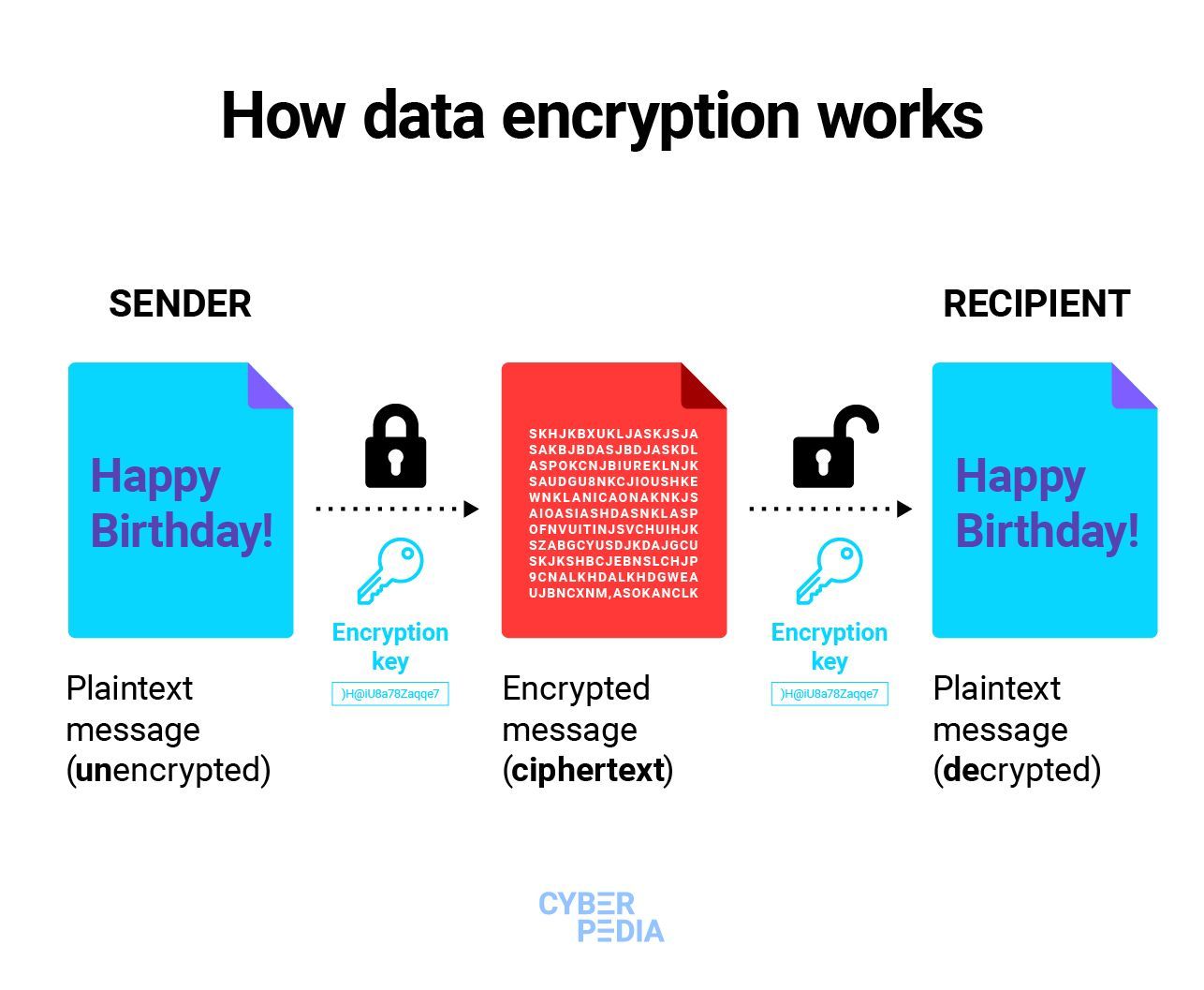
Equally important is the role of encryption in protecting message content. End-to-end encryption has emerged as a standard practice in many platforms to safeguard sensitive communications from unauthorized access. With this approach, only the intended recipient can decrypt the message, ensuring that intermediaries, including platform administrators, cannot read or modify the content. This is particularly critical in platforms that handle financial transactions, personal data, or proprietary business information. By communicating to users that messages are encrypted and providing clear indications of this protection, platforms enhance transparency and reinforce trust in the system. Visual indicators, such as padlock icons or encryption badges, serve as immediate reassurance that the content remains confidential throughout its lifecycle.
Cryptographic assurance messaging also extends to the verification of data integrity. Hashing algorithms are commonly employed to generate fixed-size representations of messages, which can then be compared at both the sending and receiving ends. If the hash values match, it guarantees that the message has not been altered in transit. Platforms that implement these checks can automatically detect anomalies or tampering attempts, alerting users to potential security issues. Such proactive communication not only prevents data loss or corruption but also demonstrates the platform’s commitment to maintaining a secure environment. Informing users of integrity verification mechanisms, even in simplified terms, strengthens their perception of the platform as vigilant and responsible.
Another significant aspect of cryptographic assurance messaging is timestamping. Ensuring that messages are associated with accurate and tamper-proof timestamps is critical in contexts where chronological integrity matters, such as in financial transactions, legal communications, or audit logs. By applying cryptographic timestamping, platforms can prove that a message existed at a certain point in time and has not been retroactively altered. Communicating this capability to users provides additional assurance, as it guarantees accountability and traceability. In high-stakes environments where compliance and regulatory adherence are essential, timestamped cryptographic assurances reinforce operational credibility and reduce potential disputes.
User interface design plays a crucial role in the effectiveness of cryptographic assurance messaging. Simply implementing cryptographic measures is not sufficient if users do not understand or notice them. Platforms need to provide clear, intuitive indicators that communicate the security and integrity of messages. For instance, alert messages that verify a successful digital signature or hash check can be presented in user-friendly language, avoiding technical jargon while maintaining accuracy. Notification systems can also inform users of any anomalies detected in encrypted messages or flagged timestamps, allowing for immediate action if necessary. By embedding these assurances seamlessly into the user experience, platforms can make security a visible and reassuring aspect of daily interactions.
Transparency and education are closely intertwined with the effectiveness of cryptographic assurance messaging. Users are more likely to trust platforms that openly communicate how cryptographic protections function and why they are necessary. Educational prompts, tutorials, or short explanations embedded within the platform can demystify cryptography for non-technical users, helping them recognize the value of measures like encryption, digital signatures, and hash-based integrity checks. When users understand the underlying principles, they are more confident in relying on the platform for secure communication, sensitive transactions, and information exchange.
In addition, cryptographic assurance messaging supports compliance with legal and regulatory frameworks. Many industries require explicit evidence of data security, integrity, and accountability. Platforms that integrate cryptographic guarantees into their messaging can more easily demonstrate adherence to standards such as GDPR, HIPAA, or PCI DSS. By explicitly communicating these assurances to users, platforms not only fulfill regulatory obligations but also create a culture of trust and reliability. Users are more likely to engage with services that clearly show their commitment to protecting personal and financial information through verifiable, cryptographically backed mechanisms.
Emerging technologies, such as blockchain, are further enhancing cryptographic assurance messaging by providing decentralized verification and immutable records. Platforms that utilize blockchain-based timestamps, smart contracts, or distributed ledger confirmations can offer users unprecedented transparency and tamper-proof assurances. Even when users are not familiar with the technical workings of blockchain, visible indicators of its use convey a high level of security and integrity. This approach aligns with modern user expectations, as people increasingly value platforms that proactively demonstrate the reliability and authenticity of their communications.
Ultimately, cryptographic assurance messaging is not merely a technical feature but a strategic component of user experience and trust. By combining authentication, encryption, integrity verification, timestamping, and transparent communication, platforms create an environment where users feel secure in their interactions. Each layer of cryptographic protection contributes to a coherent message: that the platform prioritizes the security, accuracy, and confidentiality of user data. As digital platforms continue to evolve and threats become more sophisticated, the integration of cryptographic assurances into everyday messaging remains a critical factor in building and sustaining user confidence.
Through thoughtful implementation, clear communication, and user education, cryptographic assurance messaging transforms abstract technical measures into tangible trust signals. Users are reassured not only by the technical strength of these measures but also by the visible cues and explanations provided throughout their interactions. Platforms that successfully embed these assurances into their design demonstrate a deep commitment to security, transparency, and accountability, setting a standard for reliability and trustworthiness in the digital age.
This integration of cryptography into messaging, notifications, and interface design ensures that security becomes a lived experience rather than an invisible background process. By maintaining this focus on assurance, platforms can cultivate long-term user loyalty, minimize risk exposure, and provide a digital environment where privacy, integrity, and authenticity are consistently safeguarded. Every message, transaction, and alert reinforced through cryptographic guarantees contributes to a holistic trust ecosystem, which is increasingly indispensable in today’s interconnected world.


Leave a Reply