
In the realm of online wagering, the user experience (UX) is profoundly influenced by perceptions of liquidity and the ease with which participants can understand and interact with financial flows. Liquidity, in this context, refers to the availability of funds for betting, the seamless execution of wagers, and the perception that resources are readily accessible and reliably managed. Users’ confidence in liquidity can significantly affect their engagement, retention, and overall satisfaction with a platform. Designing for liquidity confidence requires careful attention to visual cues, information hierarchy, and interaction patterns that communicate reliability without overwhelming the user.
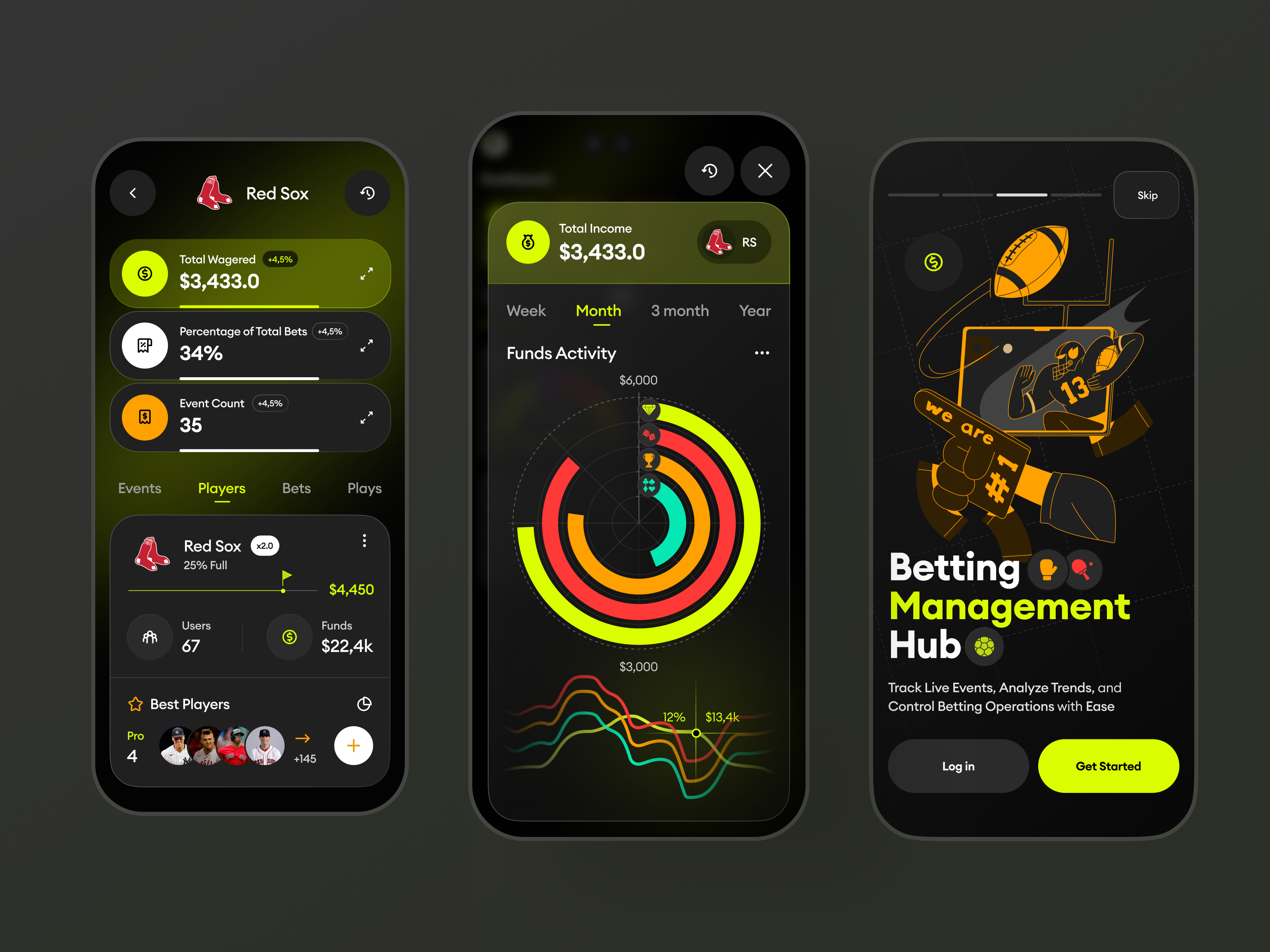
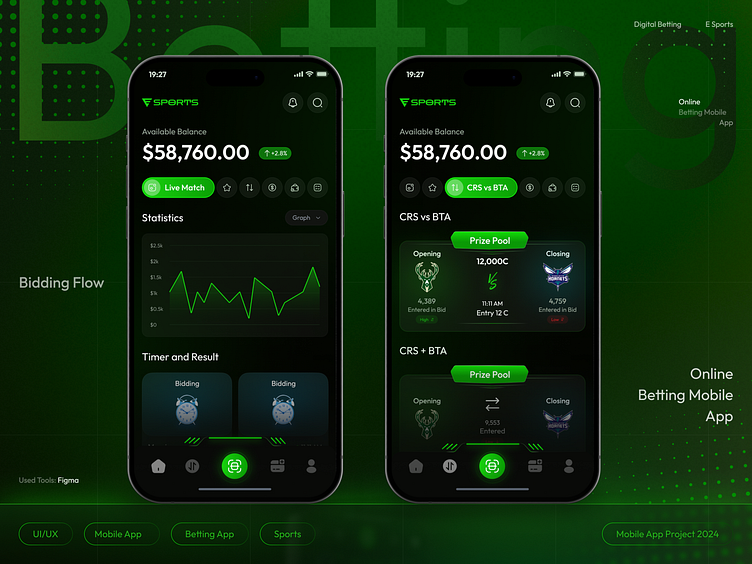
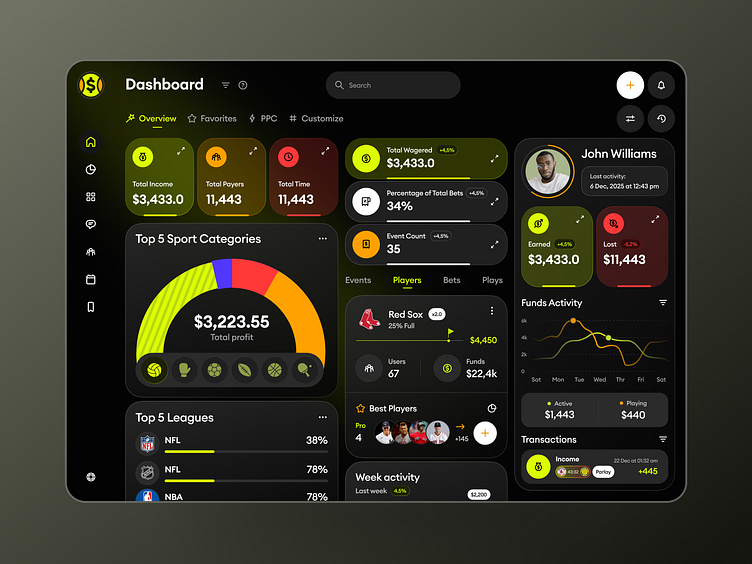
One of the central strategies in fostering liquidity confidence is through visual transparency. Users respond positively to interfaces that make financial states and transactional processes intuitive. For instance, clear indicators of account balances, pending bets, and real-time fund availability can help users feel in control. Graphical elements such as dynamic progress bars, wallet icons, and numerical displays that update in real time serve to reassure participants that their funds are both secure and accessible. Importantly, these elements must balance clarity with simplicity; too much data can be confusing, whereas too little can undermine trust.
The role of predictive and responsive feedback cannot be overstated. When a wager is placed, immediate visual confirmation that funds have been allocated reassures users that the system is performing reliably. Subtle animations, such as a brief glow or expansion of a balance indicator, can reinforce the sense that transactions are actively being processed. Similarly, in cases of delayed processing due to external factors, clear notifications or loading indicators help maintain trust by managing expectations. This approach transforms uncertainty into a controlled experience, preserving users’ confidence in the platform’s liquidity management.
Color and typographic hierarchies play a critical role in communicating liquidity information effectively. High-contrast color schemes can draw attention to key financial metrics, while softer tones indicate supplementary details. Consistent typographic scales help users quickly parse numerical data, distinguishing between available balances, locked funds, and potential winnings. These visual strategies reduce cognitive load, enabling participants to make informed decisions rapidly without feeling overwhelmed. The combination of color coding and typography also reinforces mental models of financial flow, allowing users to anticipate the movement of their resources across different betting scenarios.
Micro-interactions enhance liquidity perception by providing contextual feedback within natural usage flows. Hover effects, subtle transitions, and interactive tooltips can clarify complex states without diverting attention from core wagering activities. For example, hovering over a balance might reveal the breakdown of funds across pending bets, winnings, and deposits, giving users a nuanced understanding of liquidity without requiring a separate navigation step. These interactions are particularly valuable on mobile devices, where screen real estate is limited, and cognitive shortcuts are essential for maintaining clarity.
Another dimension of liquidity confidence involves scenario-based visualization. Users benefit from seeing potential outcomes of their wagers and the corresponding impact on their funds. Interactive sliders or outcome projections can illustrate the effects of various betting choices, allowing users to explore “what-if” scenarios safely. By making potential financial states tangible, these visualizations mitigate anxiety and empower users to engage more decisively. Importantly, such tools should be designed to be approachable, avoiding overly complex simulations that might intimidate less experienced participants.
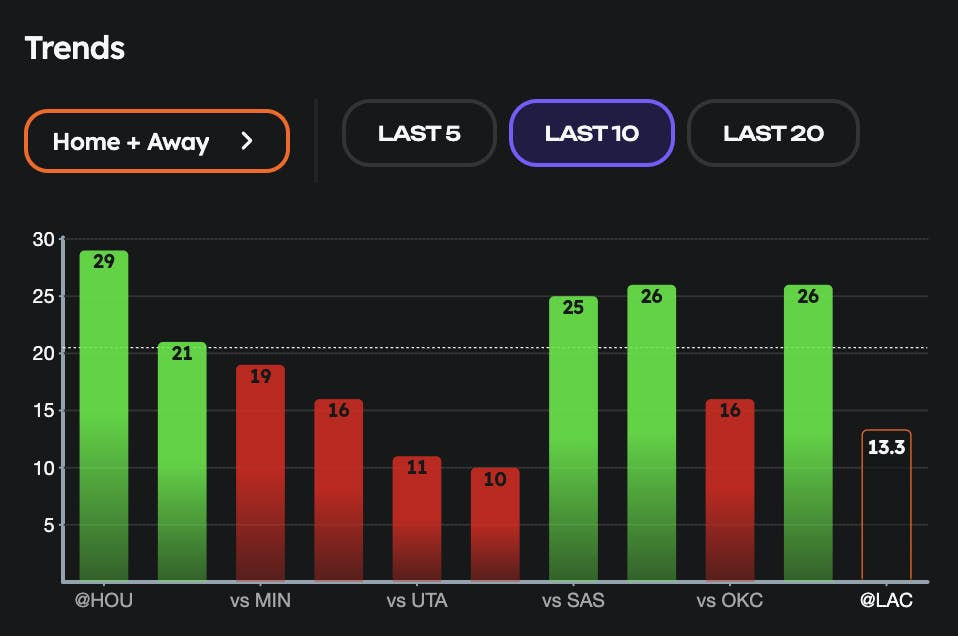
The integration of historical context further strengthens liquidity confidence. Users often rely on patterns of previous transactions and outcomes to gauge system reliability. Graphs and trend lines depicting past wins, losses, and fund movements can subtly reinforce the platform’s stability. When users perceive consistency in liquidity flows over time, they are more likely to trust that future interactions will be equally reliable. This historical perspective also aids in habit formation, encouraging repeated engagement by demonstrating predictable and manageable financial behaviors.
Trust is closely tied to transparency and the clear communication of limits and constraints. Users are more confident when they understand not only what funds are available but also any conditions affecting their use. Visual cues such as dimmed or locked icons for restricted funds, alongside concise explanatory text, prevent confusion and reduce friction. Transparency in limits ensures that users can plan their wagering strategies realistically, fostering a sense of control and reducing the likelihood of frustration or errors.
Consistency across platform contexts is equally important. Whether a user is navigating a desktop interface, a mobile app, or an integrated streaming environment, liquidity indicators should retain a coherent visual language. Familiar layouts, color schemes, and interaction patterns reinforce recognition and reduce the cognitive burden of switching between contexts. Cross-platform consistency ensures that users can confidently interpret liquidity information regardless of device or session, contributing to a unified and reassuring experience.
Finally, designers must consider emotional factors alongside cognitive clarity. The perception of liquidity is not solely about accurate numerical representation; it is also about instilling a sense of security and confidence. Subtle design elements such as gentle motion, reassuring icons, and consistent feedback rhythms can evoke feelings of stability and control. These emotional cues complement rational understanding, creating a holistic sense of confidence that encourages prolonged engagement.
In sum, liquidity confidence visualization in wagering UX requires a careful blend of transparency, clarity, responsiveness, and emotional signaling. By prioritizing real-time feedback, hierarchical visual design, interactive micro-elements, scenario-based projections, historical context, and cross-platform consistency, designers can cultivate an environment in which users feel secure and informed. This strategic approach transforms complex financial dynamics into intuitive experiences, reinforcing trust and fostering sustained engagement. Users who perceive reliable and accessible liquidity are more likely to interact confidently, make strategic wagers, and develop long-term loyalty, ultimately enhancing both satisfaction and platform performance.




Leave a Reply