
In modern gambling environments, the concept of self-regulation has increasingly become a cornerstone for promoting responsible betting practices. Self-regulation dashboards serve as an instrumental tool in this context, providing players with real-time insights into their betting behaviors, patterns, and potential risks. These dashboards not only support informed decision-making but also empower users to maintain control over their engagement, enhancing the overall sustainability of their gambling experience. By centralizing data on betting frequency, spend, and session duration, a well-designed dashboard enables players to understand their behavior more comprehensively than traditional limit-setting mechanisms alone.
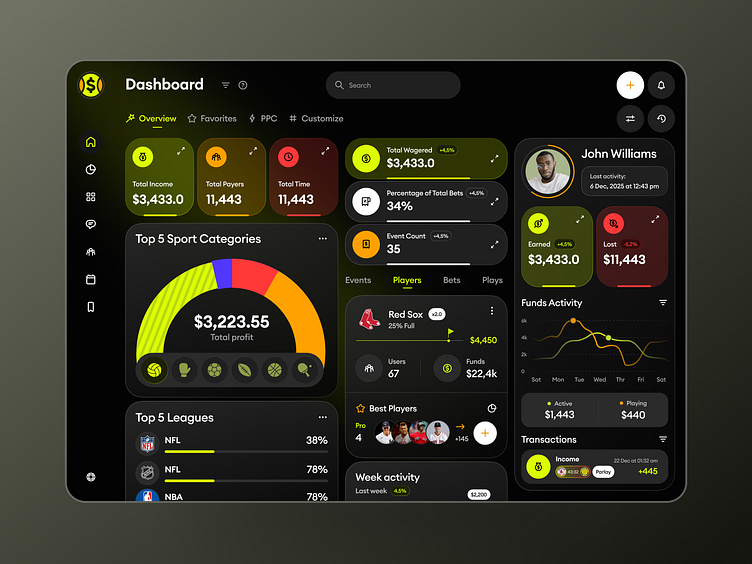
A key aspect of self-regulation dashboards is transparency. Players often underestimate the cumulative impact of their betting activities, particularly in online platforms where the speed of interaction and constant accessibility can obscure the perception of risk. Dashboards address this by presenting data in an intuitive, digestible format, highlighting trends over time and offering comparative benchmarks. For example, a dashboard might display average weekly spend relative to personal limits, or compare current behavior to past sessions, allowing players to recognize patterns that might otherwise go unnoticed. This type of feedback is crucial for fostering behavioral awareness and encouraging proactive intervention before problematic behavior escalates.
Behavioral nudges are often integrated into these dashboards to support user engagement without feeling intrusive. Subtle cues such as color-coded risk levels, alerts when approaching self-imposed limits, or gentle reminders about responsible play can guide users toward safer decisions. Unlike punitive measures, these nudges rely on the psychology of self-monitoring, leveraging cognitive awareness to influence behavior. By creating a sense of agency, dashboards encourage voluntary compliance with responsible gambling practices rather than enforcing strict controls that might prompt circumvention or resistance. In this way, the dashboards function not merely as reporting tools, but as active participants in the self-regulation process.
Customization is another essential component. Players come with varying degrees of experience, risk tolerance, and motivational factors, meaning a one-size-fits-all approach is unlikely to be effective. Advanced dashboards allow users to personalize alerts, metrics, and visualizations according to what is most relevant for their self-regulatory needs. Some may prefer to focus on financial exposure, while others may prioritize time spent or session frequency. By offering flexibility, platforms enhance user trust and engagement, demonstrating respect for individual autonomy while still promoting responsible behavior. Personalization also helps to mitigate information overload, ensuring that users are only presented with data that is actionable and meaningful to their specific context.
Integration with wider platform features enhances the effectiveness of self-regulation dashboards. Linking dashboards to deposit limits, cooling-off periods, and self-exclusion options ensures that insights can be directly translated into actionable safeguards. When a dashboard highlights a concerning trend, users can immediately enact controls that align with their objectives, rather than needing to navigate multiple interfaces or processes. Seamless integration reduces friction, making responsible behavior more convenient and increasing the likelihood of adherence. Additionally, data from dashboards can be anonymized and analyzed at a platform level to identify broader behavioral patterns, informing the design of interventions, promotional strategies, and overall user experience improvements without compromising individual privacy.
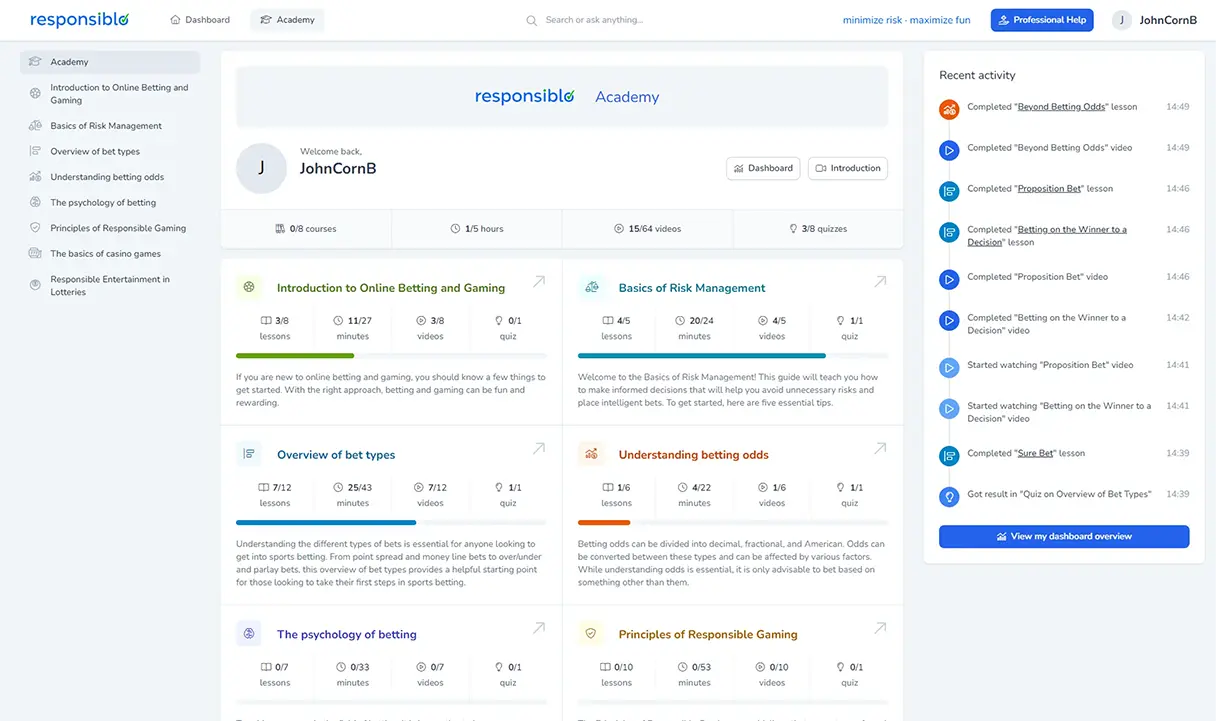
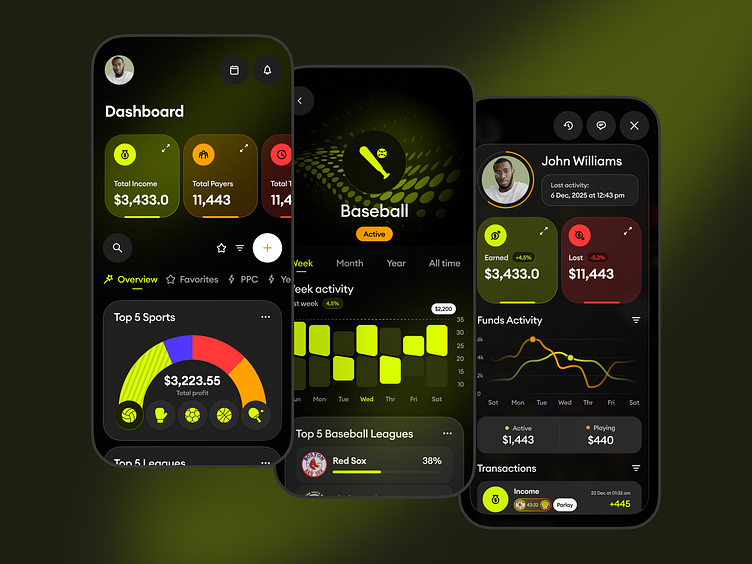
The role of visual design in these dashboards cannot be understated. Cognitive load theory suggests that users process information more effectively when it is presented in a clear, organized manner. Dashboards employ visual hierarchies, color coding, and concise summaries to convey critical information rapidly. Graphs depicting cumulative spend, heat maps of peak activity periods, and progress bars relative to self-imposed limits are just a few examples of how data can be visualized to maximize comprehension. The goal is not merely to present raw numbers, but to translate complex behavioral data into insights that users can act upon immediately. Effective design minimizes confusion, reduces decision fatigue, and supports sustained engagement with self-regulation practices over time.
Beyond individual utility, dashboards also serve a regulatory function by demonstrating a platform’s commitment to responsible gambling. Regulatory authorities increasingly expect operators to provide robust tools that empower players to manage their engagement. Dashboards that track and communicate responsible gambling measures signal adherence to industry standards, potentially mitigating reputational risk and enhancing credibility with users. Moreover, the transparency offered by dashboards can foster trust between players and operators, reinforcing the perception that the platform prioritizes user well-being alongside profitability. In competitive markets, such credibility can differentiate platforms and attract users who value ethical and responsible gaming environments.
Behavioral science underpins the effectiveness of self-regulation dashboards. Insights from psychology suggest that immediate feedback, tangible metrics, and actionable options increase the likelihood of behavioral change. By continuously monitoring outcomes and reflecting them back to users in real time, dashboards create a feedback loop that reinforces positive habits and discourages overextension. The immediacy of feedback is particularly critical in gambling contexts, where reinforcement schedules can create rapid cycles of reward and risk. Timely alerts about approaching limits or atypical patterns can interrupt these cycles, allowing users to recalibrate behavior before adverse consequences occur.
Education and context are also embedded within effective dashboards. Beyond quantitative data, users benefit from brief explanations about why certain trends may be risky, or what constitutes healthy engagement. This contextual layer transforms the dashboard from a passive display into an interactive educational tool. For instance, explaining that a sudden spike in session frequency correlates with increased risk perception can prompt reflection and conscious adjustment. By combining data visualization with educational cues, dashboards support both cognitive and affective understanding, enhancing the depth of self-regulation.
Finally, the long-term impact of self-regulation dashboards extends to shaping habits and attitudes around gambling. Continuous exposure to behavioral insights fosters greater self-awareness and intentionality, encouraging players to view gambling as a controlled, recreational activity rather than a reactive or impulsive one. Over time, the routine engagement with dashboards can normalize responsible decision-making, reducing the prevalence of harmful behaviors and contributing to overall user well-being. By empowering individuals with knowledge, real-time feedback, and actionable tools, self-regulation dashboards establish a sustainable model for responsible engagement that benefits both players and platforms, creating a more resilient and ethically grounded betting ecosystem.









Leave a Reply