
In the realm of digital gambling, slot play has evolved far beyond mere chance-based mechanics into an intricate system designed to sustain engagement, maximize user retention, and ensure a seamless player experience. A critical component underlying this evolution is the concept of session continuity, which encompasses the frameworks and mechanisms that allow players to maintain a coherent, uninterrupted experience across multiple interactions with the platform. Understanding these frameworks requires an exploration of the cognitive, behavioral, and technical dimensions that shape modern slot gameplay.
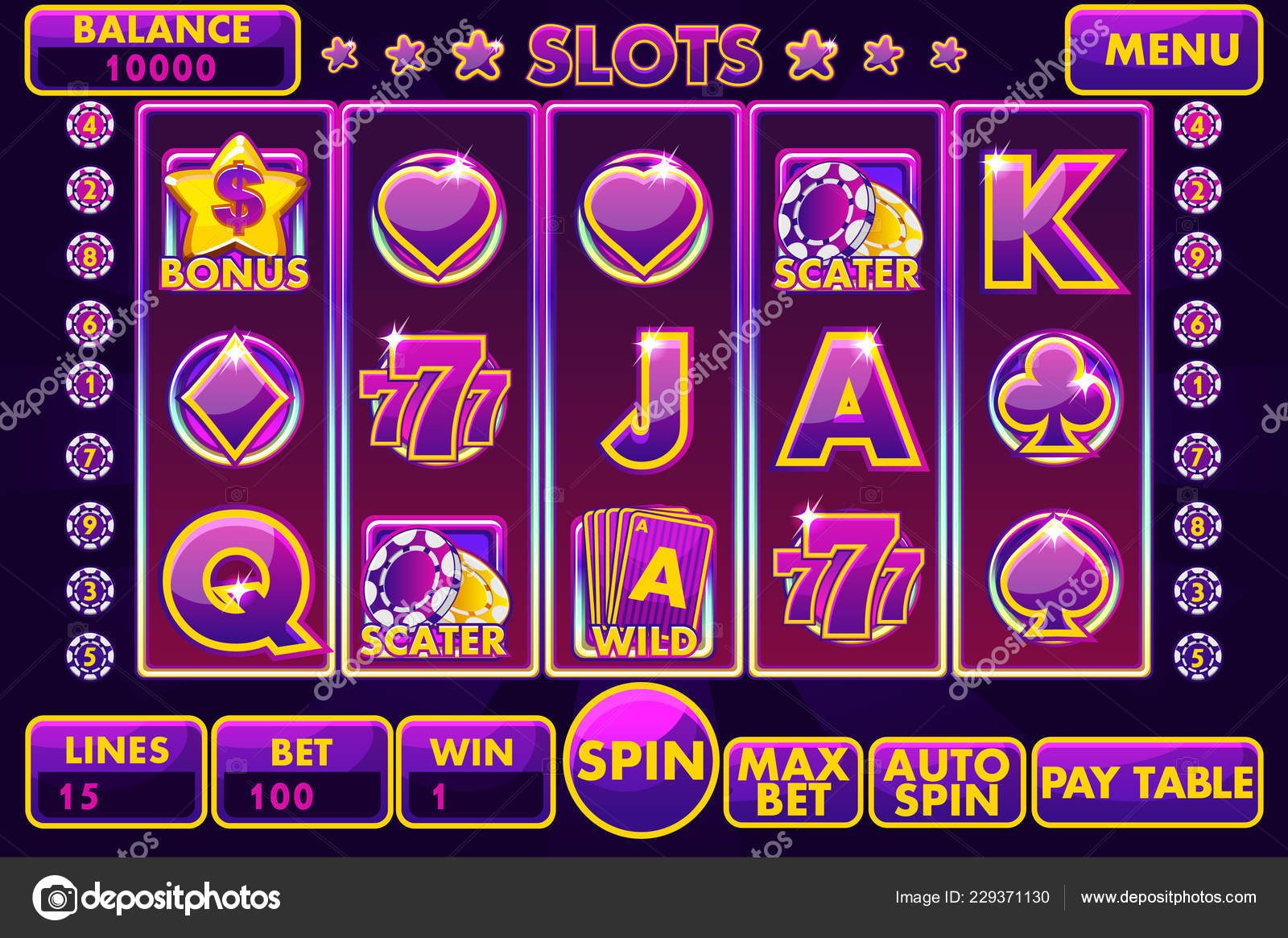
Session continuity begins with the principle of cognitive mapping, which refers to how players internalize the structure and flow of a game session. Digital slots are designed with consistent visual and auditory cues that enable players to orient themselves immediately upon returning to a game. These cues range from recognizable symbols and themes to persistent interface elements such as balance displays, spin buttons, and progress meters. By reinforcing familiar patterns, players can resume their engagement without cognitive friction, fostering a sense of stability and predictability. This continuity reduces the mental load required to re-engage, allowing for longer and more satisfying play sessions.
Behavioral continuity also plays a crucial role. Modern slot frameworks often incorporate mechanisms to track and respond to player behavior dynamically. Features such as personalized bonuses, adaptive difficulty levels, and targeted notifications ensure that a player’s prior interactions influence future gameplay. For example, a player who frequently triggers free spin rounds may be presented with tailored opportunities that mirror this success, reinforcing patterns of engagement and enhancing the perception of a coherent gaming journey. Behavioral continuity is strengthened through predictive modeling, where platforms anticipate player needs and preferences, enabling smoother transitions between sessions.
From a technical standpoint, session continuity relies on sophisticated state management systems. These systems record not only a player’s current balance and progress but also contextual elements such as active bonuses, recent wins, and the timing of prior interactions. By maintaining a persistent state, platforms can restore a session almost instantly, providing an experience that feels uninterrupted regardless of device or location. Cloud-based architectures and real-time synchronization further enable cross-device continuity, allowing a player to start a session on a desktop and continue seamlessly on a mobile device. This technical robustness underpins the broader behavioral and cognitive frameworks, ensuring that design intentions translate into consistent player experiences.
Another important element of session continuity is the reinforcement of temporal structures within gameplay. Players are sensitive to the pacing and rhythm of slot mechanics, which can influence both engagement and perceived fairness. Designers use variable timing sequences, interval rewards, and event-based triggers to establish a predictable yet stimulating cadence. By aligning session design with these temporal expectations, players perceive a consistent flow, even in the presence of random outcomes. The integration of time-based cues, such as countdowns for bonus rounds or progressive jackpots, further strengthens the sense of continuity by creating anticipatory loops that link past interactions with future possibilities.
Psychological safety and trust are also critical considerations within continuity frameworks. Players are more likely to sustain long-term engagement when they feel their progress is respected and preserved. Mechanisms that prevent accidental loss of state—such as auto-save functions, session recovery after disconnection, and transparent reporting of wins and losses—contribute to this sense of reliability. Trust in session integrity reduces cognitive friction, allowing players to focus on enjoyment rather than managing technical uncertainties. Moreover, consistent user experience across different games within a platform encourages exploration without risking disorientation, fostering a broader sense of mastery and confidence.
Interactivity and feedback loops form a complementary component. Slot designs increasingly leverage subtle feedback mechanisms to maintain engagement across sessions. Visual effects, sound cues, haptic vibrations, and animated sequences are employed not merely for aesthetic appeal but as signals of progress and continuity. These cues remind players of prior successes, highlight ongoing bonuses, and indicate the persistence of certain game elements, reinforcing the notion of a continuous and coherent session. Feedback loops are further enhanced through social integration, where features like leaderboards or achievement badges extend the session’s relevance beyond the individual gameplay experience, creating persistent social context and motivation.
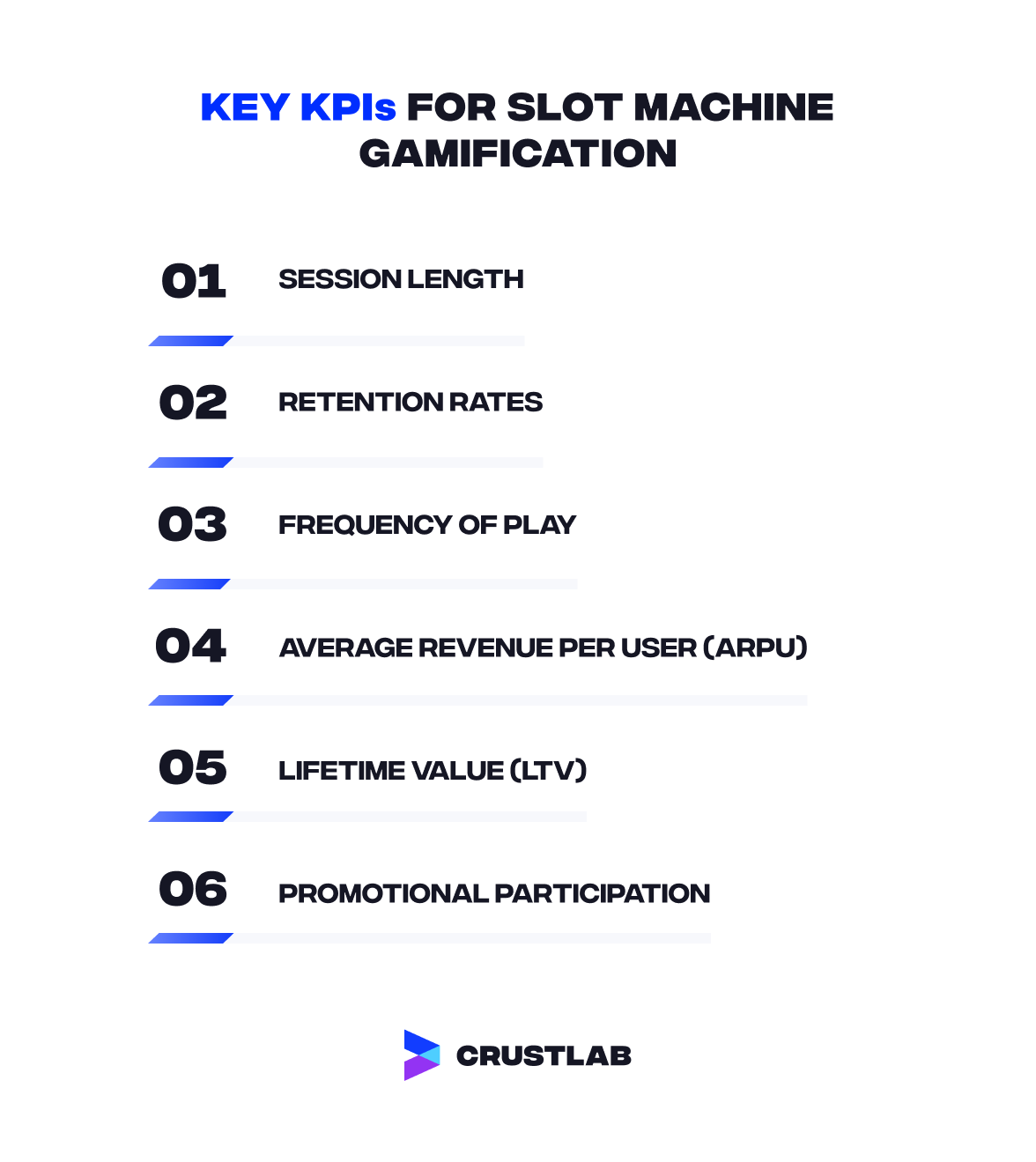
Data analytics underpin the ongoing optimization of session continuity frameworks. By analyzing patterns of player behavior, session lengths, and dropout points, designers can identify friction points and implement adjustments to retain flow. A/B testing of interface layouts, reward structures, and pacing strategies enables iterative refinement, ensuring that session continuity is not merely theoretical but practically effective. Analytics-driven insights also support the personalization of experiences, tailoring session dynamics to individual preferences while maintaining the underlying structural coherence essential to player satisfaction.
Finally, session continuity frameworks are closely linked to long-term retention strategies. By maintaining coherent experiences across multiple sessions, platforms cultivate habitual engagement patterns without relying on intrusive methods. Players develop a mental model of the game ecosystem, recognizing how previous interactions influence current opportunities and outcomes. This creates a feedback loop where familiarity breeds comfort, and comfort fosters longer, more meaningful engagement. As a result, session continuity is not only a technical and design challenge but also a critical strategic lever for sustaining user investment and fostering loyalty in highly competitive gambling markets.
Ultimately, session continuity frameworks represent a synthesis of cognitive psychology, behavioral science, technical engineering, and design strategy. They enable platforms to provide experiences that are coherent, predictable, and engaging, ensuring that players can move seamlessly between sessions while maintaining a sense of control and satisfaction. By aligning design principles with the natural expectations and behaviors of users, digital slot providers can create enduring experiences that balance randomness with structure, excitement with predictability, and innovation with continuity. These frameworks are central to the modern slot ecosystem, demonstrating that continuity is not merely about preserving state, but about orchestrating a holistic, engaging, and sustainable player journey.
Session continuity thus serves as the backbone of effective slot design, bridging the gap between discrete play events and ongoing player engagement. Through careful attention to cognitive cues, behavioral reinforcement, technical infrastructure, temporal alignment, feedback mechanisms, data analytics, and trust-building practices, platforms can cultivate experiences that feel seamless, rewarding, and coherent. The interplay of these elements ensures that session continuity is not an afterthought, but a foundational principle that shapes how players perceive, interact with, and ultimately return to slot games. By embedding continuity at every layer—from interface design to backend state management—providers can offer sessions that are as engaging as they are resilient, solidifying the player’s connection to both individual games and the platform as a whole.







Leave a Reply