
In dynamic market environments, the ability of organizations to accurately assess and respond to team performance signals can create a substantial competitive advantage. Team performance signal integration refers to the systematic process of collecting, analyzing, and acting upon performance indicators that emerge from the behavior, output, and interactions of team members. Unlike individual performance tracking, which focuses narrowly on personal metrics, team performance signals capture the collaborative dynamics that drive organizational outcomes, enabling more nuanced decision-making and strategic alignment.
One of the key benefits of integrating team performance signals in markets is the enhanced capacity for real-time decision-making. Markets are inherently volatile and require firms to react to shifting conditions rapidly. By monitoring performance metrics such as collaboration efficiency, task completion rates, and innovation throughput, organizations can detect early warning signs of underperformance or misalignment. These signals allow managers to deploy corrective actions, such as reallocating resources, adjusting workflows, or providing targeted coaching, before small inefficiencies escalate into significant operational issues. The proactive nature of this approach contrasts sharply with traditional retrospective performance evaluations, which often reveal issues only after they have impacted overall performance.
Furthermore, the integration of team performance signals supports better risk management. In competitive markets, risks often emerge from both internal and external sources. Internally, poor team coordination can lead to errors, delays, or miscommunications that compromise the delivery of products or services. Externally, market fluctuations or competitive moves may require quick collaborative responses that teams are better equipped to handle if their performance signals are actively monitored. By aggregating and analyzing signals across multiple teams, organizations can identify patterns that indicate systemic vulnerabilities or operational bottlenecks. This predictive insight enables more informed strategic planning and reduces exposure to unforeseen market disruptions.
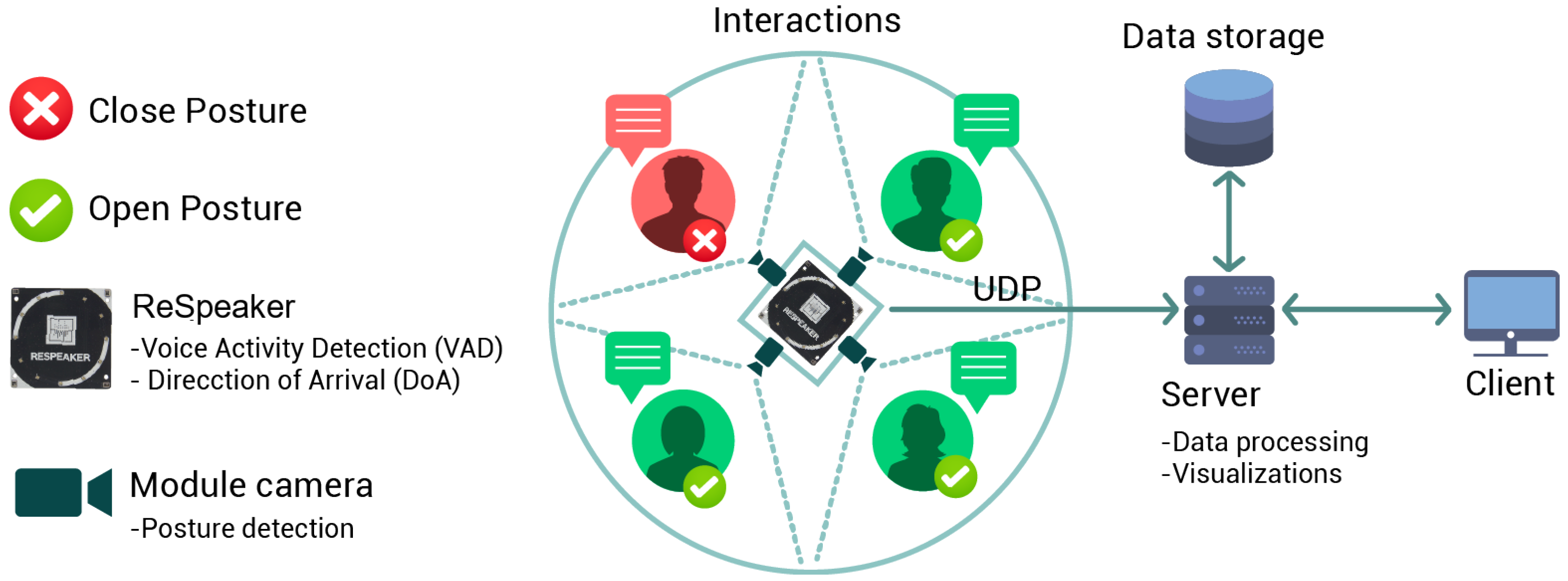
The application of advanced analytics and technology is critical for effective signal integration. Market-leading organizations leverage machine learning algorithms, data visualization tools, and collaborative platforms to capture and interpret complex performance data. Metrics such as network centrality, task interdependence, and communication density are quantified and visualized to reveal how team dynamics influence outcomes. Integrating these analytics into decision-support systems ensures that insights are not confined to HR or operational silos but are actionable at strategic, tactical, and operational levels. Teams that are aware of their performance metrics in real-time are also more likely to adjust behaviors autonomously, fostering a culture of continuous improvement.
Another dimension of performance signal integration is its impact on strategic alignment. Teams often operate with overlapping objectives or interdependent tasks, and misalignment can erode efficiency and diminish value creation. By analyzing team performance signals in conjunction with market indicators—such as demand trends, competitor activity, or regulatory changes—organizations can ensure that team efforts are aligned with broader strategic goals. For example, a sales team’s engagement patterns with clients can be cross-referenced with market demand signals to optimize targeting strategies. Similarly, R&D team output metrics can be integrated with competitive intelligence to prioritize projects with the highest market potential. This dual alignment—internal collaboration and external market awareness—enhances agility and strengthens the link between team performance and market success.
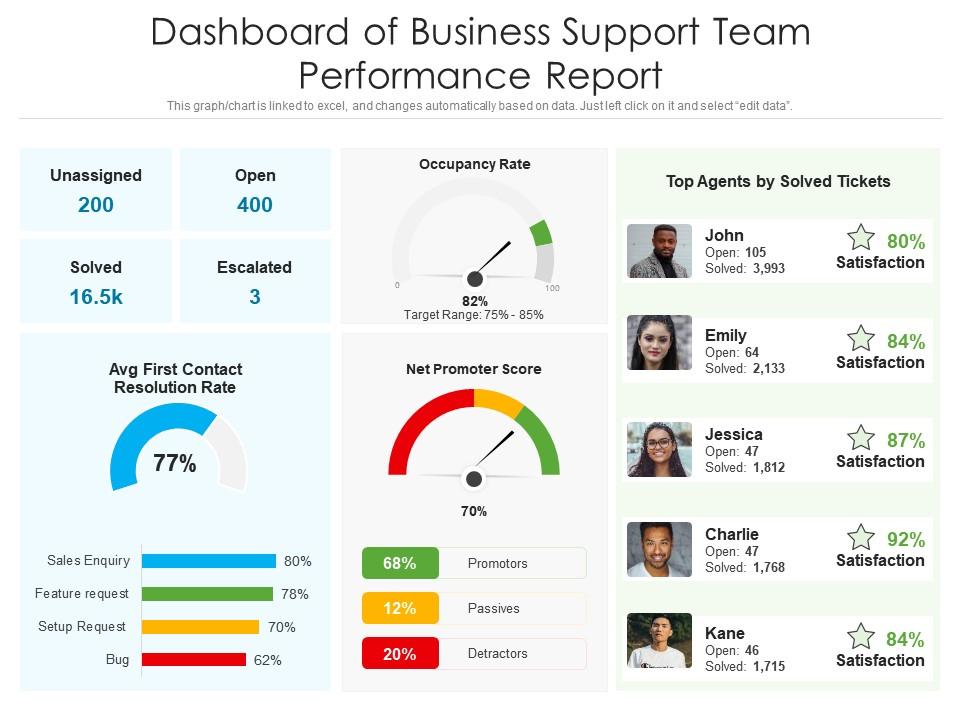
Communication and transparency are also essential for leveraging team performance signals effectively. Teams need clear visibility into the criteria by which their performance is measured, as well as an understanding of how these signals feed into broader organizational objectives. Transparent dashboards, performance feedback loops, and regular review sessions help embed signal awareness into the organizational culture. When team members recognize the connection between their daily actions and market outcomes, motivation and accountability naturally increase. This transparency fosters psychological safety, where teams feel empowered to share insights, admit challenges, and innovate without fear of punitive consequences, further enriching the signal pool with qualitative data.
The integration process also involves synthesizing qualitative and quantitative data. While metrics such as productivity scores, task completion rates, and error frequency provide hard data, qualitative signals like peer feedback, leadership observations, and sentiment analysis offer contextual depth. Combining these sources creates a richer understanding of team dynamics, enabling leaders to discern not only whether a team is performing well but also why performance trends are emerging. For instance, a decline in innovation output may not reflect individual inadequacy but rather a lack of cross-functional collaboration or misaligned incentives. Recognizing these subtleties allows managers to design interventions that are targeted, culturally sensitive, and sustainable.
Ultimately, the strategic integration of team performance signals contributes to resilience and adaptability in markets. Firms that consistently monitor, interpret, and act upon these signals are better positioned to anticipate change, leverage opportunities, and mitigate threats. In addition, performance signal integration fosters a learning-oriented culture where continuous feedback loops encourage experimentation, knowledge sharing, and iterative improvement. As markets become increasingly complex and interdependent, organizations that embed team performance awareness into their operational and strategic fabric will likely outperform competitors who rely solely on traditional performance assessments.
In conclusion, team performance signal integration is a multidimensional approach that blends real-time monitoring, advanced analytics, strategic alignment, and cultural transparency to optimize organizational outcomes. By capturing the nuances of collaboration, communication, and collective effort, organizations gain predictive insights, enhance decision-making agility, and reduce operational risks. Effective integration requires not only technological infrastructure but also a commitment to transparency, feedback, and continuous learning. As market conditions continue to evolve rapidly, the organizations that master the art of reading, interpreting, and responding to team performance signals will cultivate sustained competitive advantage and market resilience.
Leave a Reply